
Home / Environment / US Grids Fail: Extreme Weather's Power Play
US Grids Fail: Extreme Weather's Power Play
30 May
Summary
- US power grids are divided into three main regions with limited interconnections.
- Extreme weather damages infrastructure, causing widespread and prolonged outages.
- Improved transmission capacity and grid hardening are key to resilience.
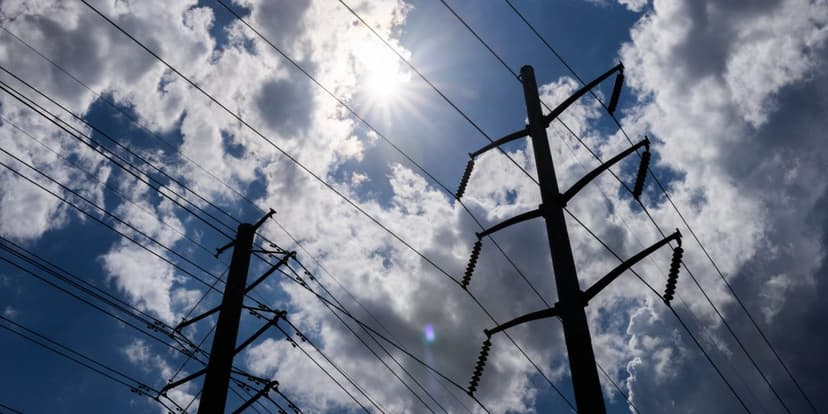
Extreme weather events are significantly disrupting U.S. power supplies, leading to widespread blackouts.
The U.S. power system is fragmented into three main interconnections: Eastern, Western, and Texas's ERCOT. Limited transmission lines between these regions hinder the ability to share electricity during emergencies, as evidenced by the 2021 Texas winter storm that caused massive, prolonged outages.
Infrastructure damage from storms, such as Hurricane Ida disabling New Orleans' power lines, exacerbates these blackouts. Proposals like the Southern Spirit Transmission project aim to increase interconnections, potentially reducing the scale of future power losses.
Hardening existing transmission corridors to withstand extreme weather and investing in more robust infrastructure, like fortified poles in New Orleans, are critical. Regulatory bodies are also increasing oversight on risk assessment for transmission assets.
Neighboring grids can provide crucial support during outages, demonstrated by California's grid stability during a September 2022 heatwave due to significant imports. Effective power sharing relies on established agreements, available transmission paths, and pre-arranged logistics to prevent wider grid collapse.
