Home / Environment / Philippine Authorities Intercept Toxic E-Waste Cargo
Philippine Authorities Intercept Toxic E-Waste Cargo
29 Jul
Summary
- Three containers of suspected e-waste from the U.S. were blocked from offloading.
- The U.S. is not a signatory to the Basel Convention on hazardous waste.
- Environmental groups flagged 234 containers of suspected e-waste in recent months.
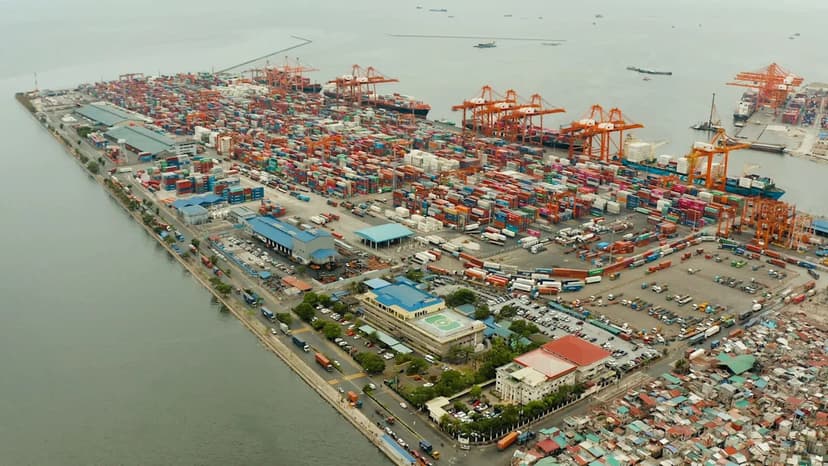
Philippine authorities recently intercepted three container vans suspected to contain electronic waste from the United States at Subic port. The Bureau of Customs placed the cargo, declared as scrap copper, under "retain on board" status aboard the MV Tokyo Express on July 22. This action was prompted because the United States is not a signatory to the Basel Convention, which regulates international hazardous waste movements.
The containers were kept on the vessel until its departure on Thursday, preventing them from entering the Philippine customs territory. Environmental groups, specifically the Basel Action Network and BAN Toxics, have flagged this incident, reporting that 234 containers of suspected e-waste and one container of plastic waste from the U.S. had reportedly arrived at the free port between March 2025 and June 2026 without proper consent procedures.
This dispute underscores the global challenges in managing e-waste, a rapidly growing waste stream. Improper handling poses risks of toxic exposure and contamination to communities and the environment. Authorities convened a meeting with various agencies and environmental groups to discuss the issue and draft position papers.
The Subic Bay Metropolitan Authority defended e-waste recycling at the free port as part of the circular economy, stating that imported materials undergo rigorous inspection and testing.


