

Home / Environment / Battery Boom Sparks Fire Fears
Battery Boom Sparks Fire Fears
23 Apr
Summary
- Local opposition to battery farms grows due to fire risks.
- States face a bind between climate targets and community concerns.
- Acton, California, is a hotspot for battery projects amidst fire hazards.
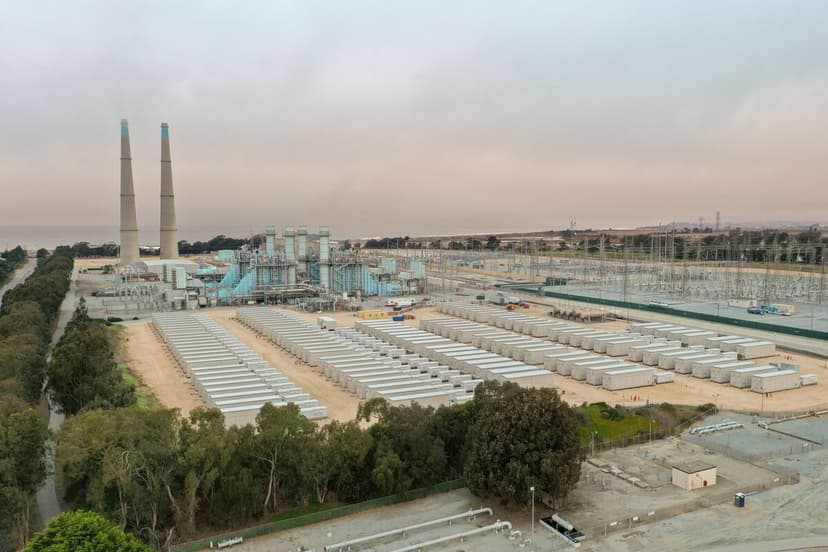
The United States is experiencing a significant boom in battery energy storage systems (BESS), crucial for grid reliability amid extreme weather and growing energy demand from AI. However, this expansion is increasingly met with local opposition, primarily driven by fears of spontaneous fires and contamination. As battery installations become larger and are sited closer to communities, particularly in high-risk wildfire areas like Acton, California, residents express strong concerns. Acton, designated a "very high fire hazard severity zone," faces multiple proposed battery projects, intensifying fears of industrial blight and environmental hazards.
This community resistance presents a dilemma for states dependent on renewable energy and batteries to meet climate targets and rising electricity demand. The opposition is not unique to Acton, with similar sentiments scuttling projects across California and the nation. This trend leads to longer development times, increased siting costs, and a higher rate of project cancellations, according to industry reports. Developers are urged to improve siting decisions to assuage these valid community concerns.
California, a leader in battery storage, has seen a dramatic increase in installed capacity, with numerous projects vying for grid connection. While incidents of battery fires are rare and safety standards have improved, past events, like the 2025 Moss Landing blaze, have heightened public awareness and apprehension. Overcoming the perception of inherent danger in lithium-ion technology remains a challenge for developers, who must better engage with communities to navigate these complex siting issues.
