Home / Environment / Wetlands Vanish: Cities Erase Climate Resilience
Wetlands Vanish: Cities Erase Climate Resilience
27 Aug
Summary
- Wetlands store significant carbon, outperforming forests per area.
- Hyderabad lost 61% of its lake area, with many vanishing completely.
- Institutional neglect prioritizes beautification over ecological repair.
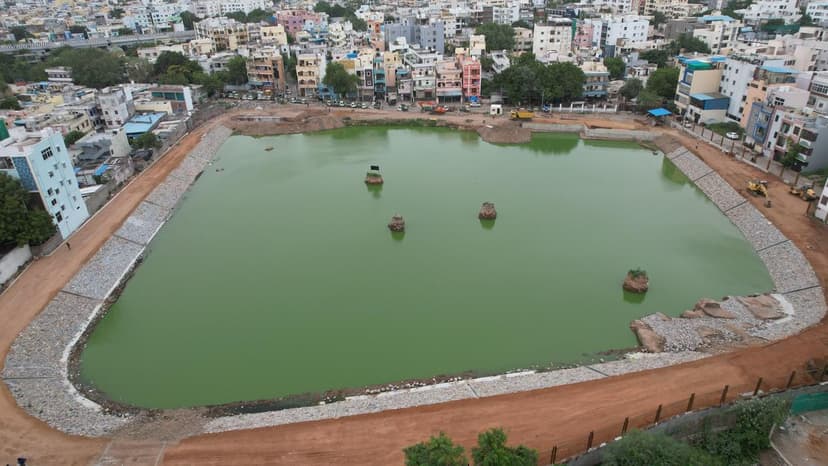
Globally, wetlands, including urban lakes, are disappearing at an alarming rate, threatening crucial ecosystems. These areas store more carbon than forests per unit area and provide essential biodiversity, climate regulation, and human well-being. However, rapid urbanization in India has led to these vital natural landscapes being viewed as developable land rather than critical ecological infrastructure.
Cities like Hyderabad have seen dramatic lake area reductions, with 61% lost since 1979 and hundreds disappearing entirely in a single decade. This physical destruction is worsened by public and institutional apathy, with water bodies often becoming dumping grounds for waste and effluents. The focus often shifts to cosmetic beautification rather than genuine ecological recovery, neglecting feeder channels and water quality.
While India has increased its Ramsar sites, local conservation faces challenges like ambiguous boundaries and ongoing encroachment. Successful initiatives, like Telangana's HYDRAA agency reclaiming lakebeds and restoring hydrological flows, and community-led efforts in Bengaluru and Hyderabad, offer hope. However, these successes remain isolated without robust legal backing, sustained funding, and consistent enforcement.
True restoration demands structural reform: integrating water bodies into urban planning, ensuring absolute legal protection for lake boundaries and catchments, and streamlining governance under unified authorities. Institutionalizing citizen engagement is also crucial for local ownership. Cities that fail to restore these living ecosystems will face increased floods, heat stress, and water scarcity.


