
Home / Environment / Coastal Flooding Crisis Worsens as Sea Levels Surge Unevenly Across the U.S.
Coastal Flooding Crisis Worsens as Sea Levels Surge Unevenly Across the U.S.
28 Sep, 2025
Summary
- Sea levels rising faster in some U.S. regions than others
- Coastal communities must adapt to changing shorelines
- Climate change-driven pollution accelerating ice melt, sea-level rise
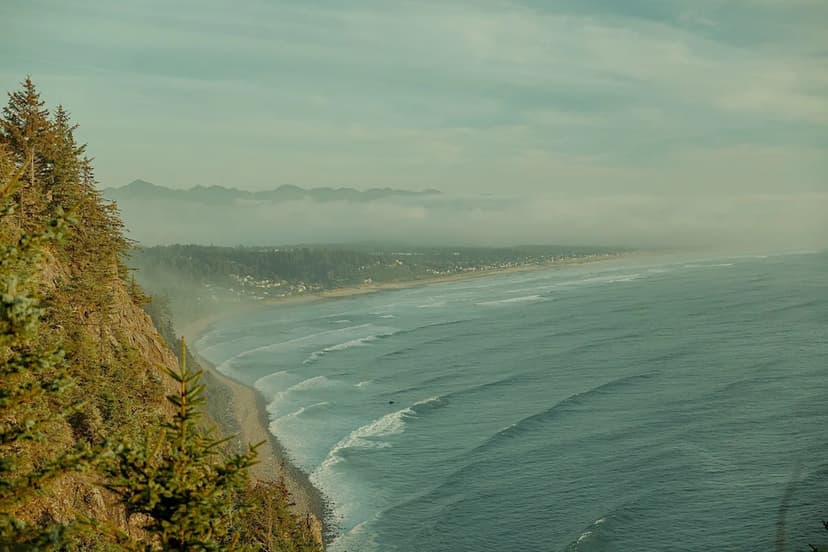
According to the latest data, the effects of climate change are already being felt along U.S. coastlines, with sea levels rising at vastly different rates across the country. As of September 2025, a research team at the Virginia Institute of Marine Science has developed a Sea Level Report Card for 36 communities, revealing the uneven nature of this crisis.
In Grand Isle, Louisiana, the sea level is currently rising at a rate of 8.24mm (~0.324 inches) per year, while in Seattle it is rising at just 2.13mm (~0.084 inches) annually. This disparity highlights the need for coastal communities to take action and adapt to their changing environments.
The primary driver behind this issue is human-caused climate change. The continued burning of fossil fuels has accelerated the melting of sea ice, leading to higher sea levels that threaten millions worldwide. Experts warn that if emissions are not reduced, the economic impact could reach $3 trillion per year by the end of the century.
Coastal ecosystems are also at risk, as rising waters erode land, contaminate freshwater, and exacerbate extreme weather events. Communities are already taking steps to mitigate the effects, such as plans in the Philadelphia area to prevent saltwater from contaminating drinking water supplies.
