Home / Environment / Ukraine's Botanists Fight to Save Rare Plants
Ukraine's Botanists Fight to Save Rare Plants
2 Feb
Summary
- Rare flower species are being cloned in a basement lab amid power outages.
- Occupied territories hold 40% of Ukraine's agricultural land and key reserves.
- Scientists are documenting 'ecocide' to hold Russia accountable for environmental damage.
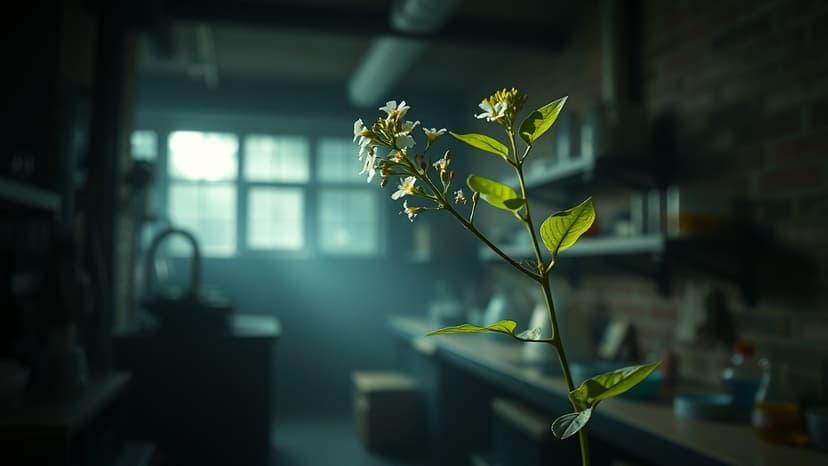
Amidst ongoing conflict, researchers at Sofiyivka Park in Uman, Ukraine, are valiantly working to preserve the nation's botanical heritage. In a basement laboratory, Larisa Kolder and her team are successfully cloning endangered species, such as Moehringia hypanica, a flower native only to Ukraine's Mykolaiv region. This vital work continues despite frequent power outages, a stark contrast to the dire situation in occupied territories.
Key biodiversity research sites, including the Nikitsky Botanical Garden in Crimea and a research station in Kherson, have been lost to Russian occupation since 2014 and 2022. These southern regions historically held immense agricultural and botanical significance, housing a substantial portion of Europe's biodiversity. The loss of these areas, along with national parks like Askania-Nova, represents a significant blow to Ukraine's natural history.