Home / Environment / Wildlife Returns: Endangered Species Thrive in UK
Wildlife Returns: Endangered Species Thrive in UK
15 Feb
Summary
- Endangered species like great bustards and white-tailed eagles are being successfully reintroduced.
- Reintroductions restore damaged ecosystems, improving biodiversity and natural balance.
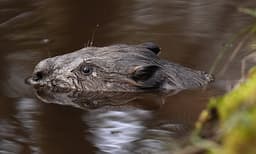
- Beavers are ecosystem engineers, helping reduce flood risk and improve water quality.
Conservationists are undertaking wildlife restoration projects, emphasizing a moral imperative to reintroduce endangered species. These reintroductions are transforming landscapes across the UK, with examples including beavers on Exmoor, white-tailed eagles in southern England, and great bustards in Wiltshire. Organizations like the Great Bustard Group have been releasing hundreds of great bustards onto Salisbury Plain since 2004, with successful breeding occurring annually since 2009. Salisbury Plain's open environment is ideal for these birds, which are symbols of Wiltshire's heritage.
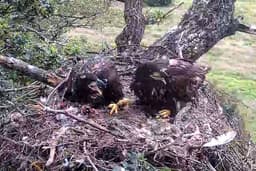
Reintroducing species is crucial for restoring ecosystems damaged by human activity, thereby improving biodiversity. The Somerset Wildlife Trust has seen success with the reintroduction of the large blue butterfly, extinct in the UK since 1979. Beavers, released in Somerset for the first time recently, are vital ecosystem engineers that help slow water flow, create wetlands, and reduce erosion. White-tailed eagles, Britain's largest bird of prey, have also been reintroduced since 2019, with a pair breeding successfully in 2023.
These reintroduction programs offer significant benefits, including cleaner air and water, and flood prevention. Conservationists highlight the public's positive response and the hope these projects bring for nature's restoration. Successful reintroductions rely on partnerships with local communities and continuous monitoring to address any concerns.