Home / Environment / Water Privatization Robbery: Bills Rise, Rivers Die
Water Privatization Robbery: Bills Rise, Rivers Die
3 Mar
Summary
- Water companies treated as cash machines since 1989 privatization.
- Profits from rising bills went to venture capitalists, not system upkeep.
- Untreated waste pollutes rivers and coastal waters, risking public health.
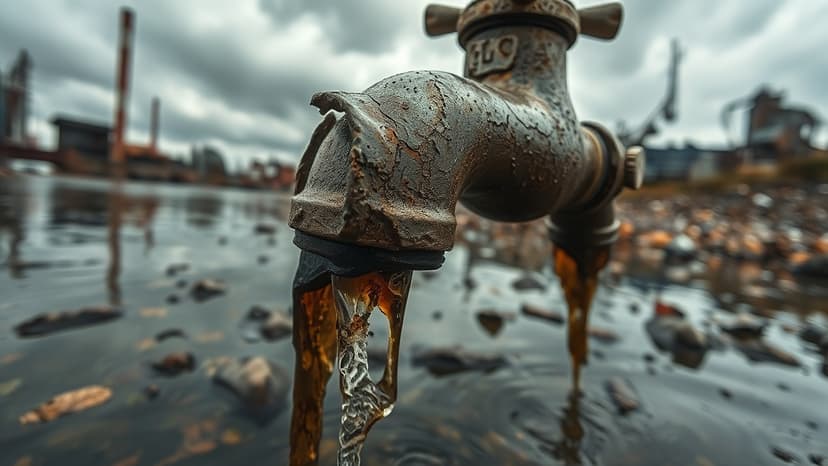
The privatization of water in England and Wales in 1989 has transformed essential water companies into profit-generating machines. For over three decades, the focus has shifted from maintaining and updating infrastructure to enriching venture capitalists with profits derived from increased customer bills. This has resulted in a severe decline in the quality of rivers and coastal waters.
This neglect has led to the loss of safe recreational access and the devastation of aquatic wildlife. Concerns are heightened by the potential for a return to Victorian-era public health crises, such as cholera outbreaks, if the current state of water management is not addressed. The system's reliance on regulation by the companies themselves is seen as a major failing.
Ultimately, advocates argue that removing the profit motive is the sole solution to safeguard public well-being and the environment for future generations. The need for decisive government and regulatory action, rather than waiting for public outcry or media dramatizations, is paramount to prevent further ecological damage and health risks.