Home / Environment / Escaped Wallabies Thrive in UK Climate
Escaped Wallabies Thrive in UK Climate
4 Dec
Summary
- Wallabies are escaping from private collections and zoos across southern England.
- Mild winters due to climate change aid their survival and breeding.
- Their ecological impact is being studied, similar to other non-native species.
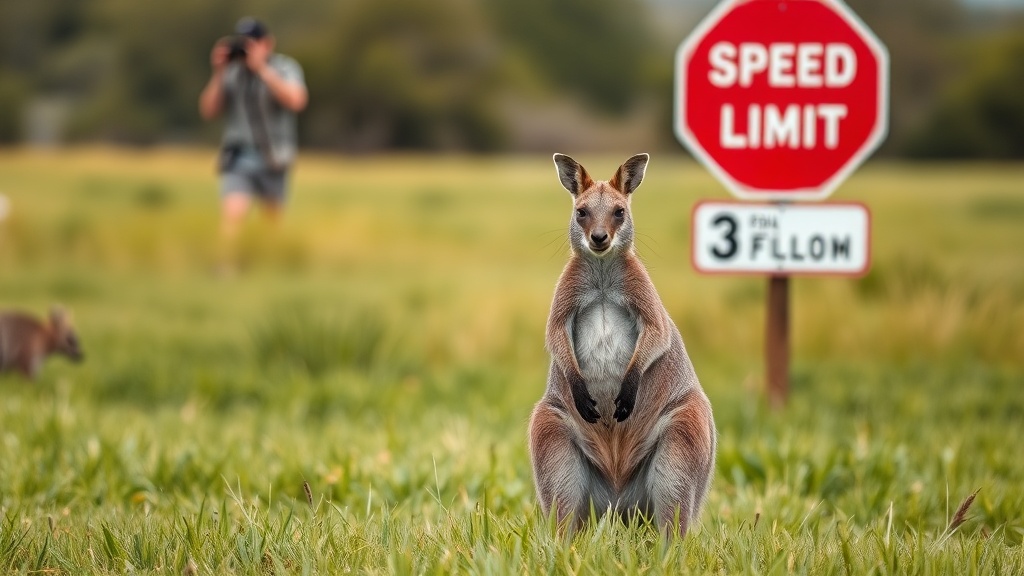
Escaped wallabies are becoming increasingly common in southern England, raising questions about these Australian marsupials adapting to the UK landscape. Their presence is attributed to escapes from wildlife parks, private collections, and even from properties where they are kept for vegetation control. Experts note that the temperate climate and milder winters, a consequence of climate change, are conducive to their survival and potential breeding.
Ecologists are studying the impact of these non-native animals, drawing comparisons to other introduced species like grey squirrels and mink. While wallabies are not yet considered a major pest in Britain, their browsing habits could affect flora and, consequently, broader ecosystems. Similar species in other countries have been known to impact forestry and local environments.
Authorities are gathering evidence to understand the wallabies' ecological and economic roles to inform future management decisions. Unlike past eradication campaigns for species like coypu, public opinion and the charismatic nature of wallabies may influence modern wildlife management strategies. The focus is on informed decision-making rather than immediate lethal control.