Home / Environment / Grey Squirrels Outcompete Native Reds in UK Woodlands
Grey Squirrels Outcompete Native Reds in UK Woodlands
5 Aug
Summary
- Grey squirrels carry a deadly virus absent in reds.
- Greys digest tannins, gaining a dietary advantage over reds.
- Red squirrel numbers dwindle as greys dominate woodlands.
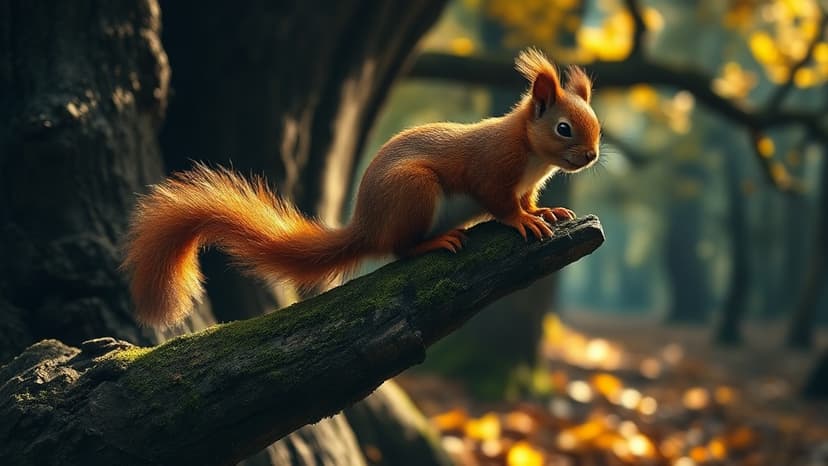
The coexistence of red and grey squirrels in Britain highlights a significant wildlife challenge. Red squirrels, established since the last Ice Age, are now vastly outnumbered by grey squirrels, which were introduced from North America in the late 19th century. Grey squirrels are generally larger and have distinctive physical traits, unlike the red squirrel's varied coloration and ear tufts.
A key factor in this ecological shift is the grey squirrel's ability to digest tannins in unripe nuts, granting them a consistent food source. Red squirrels, unable to process these compounds efficiently, struggle once grey squirrels establish themselves in mixed woodlands. This dietary disparity, coupled with a virus carried by greys that is deadly to reds, has drastically reshaped woodland ecosystems.
As of 2026, an estimated 2.7 million grey squirrels inhabit Britain, starkly contrasting with the fewer than 287,000 remaining red squirrels. Most surviving reds are now found in Scotland, northern England, Wales, and protected islands. Both species face threats like habitat loss and predators, but the grey squirrel poses the most significant existential threat to the red squirrel.
The red squirrel is a conservation priority under UK law, with ongoing projects focused on habitat management and controlling grey squirrel populations. Conversely, grey squirrels are classified as an invasive non-native species, underscoring their substantial ecological impact on native wildlife and natural environments.


