Home / Environment / Radar Reveals Alarming Decline in Nocturnal Insects Across UK
Radar Reveals Alarming Decline in Nocturnal Insects Across UK
27 Oct, 2025
Summary
- Radar data tracks trillions of insects in UK skies
- Nighttime insect numbers declining, especially in northern regions
- Artificial light and climate change likely contributing factors
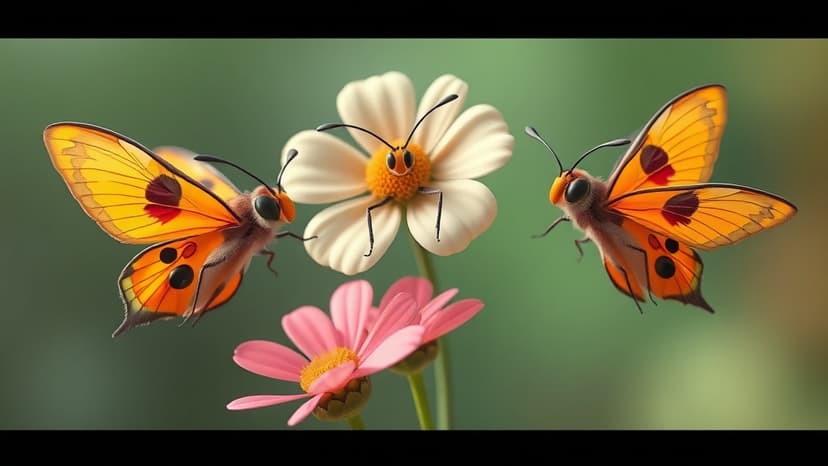
In a groundbreaking study, scientists have leveraged Met Office radar data to track insect populations across the UK for the first time. The analysis, conducted between 2014 and 2021, has uncovered a troubling trend – while daytime insect numbers remained relatively stable or even increased in southern regions, nighttime-airborne insects have seen an overall decline, particularly in the far north.
This is one of the first studies to highlight the divergent impacts on day- and night-flying insects, providing crucial insights into where conservation efforts should be focused. The researchers repurposed data from the UK's network of 15 weather surveillance radars, which scan the sky hundreds of times a day, to determine the location, number, and size of insects in the air.
Their findings reveal an average of 11.2 trillion insects flying between 500 and 700 meters above the ground during the day, and just over 5 trillion at night. Insect abundance was higher in areas with woodlands, grasslands, and even urban environments, but dropped in intensively farmed regions and where artificial lighting was prevalent.
Experts believe that factors such as light pollution and the ongoing climate crisis are likely contributing to the decline of nocturnal insects, like moths. As the climate warms and becomes drier, northern species are struggling, while southern species are slowly moving in to replace them – but this transition is not happening seamlessly.
The implications of these findings are significant, as insects play a vital role in ecosystems and food webs. The researchers emphasize that this study is a crucial step towards understanding where to focus conservation efforts to protect these crucial components of the natural world.