Home / Environment / UK Tightens Pollution Rules: Wood Stoves Face Curbs
UK Tightens Pollution Rules: Wood Stoves Face Curbs
1 Dec
Summary
- New UK plan targets PM2.5 pollution, potentially restricting wood stoves.
- Government commits £500m to landscape recovery projects by 2030.
- Updated targets aim to align UK air quality with EU standards by 2030.
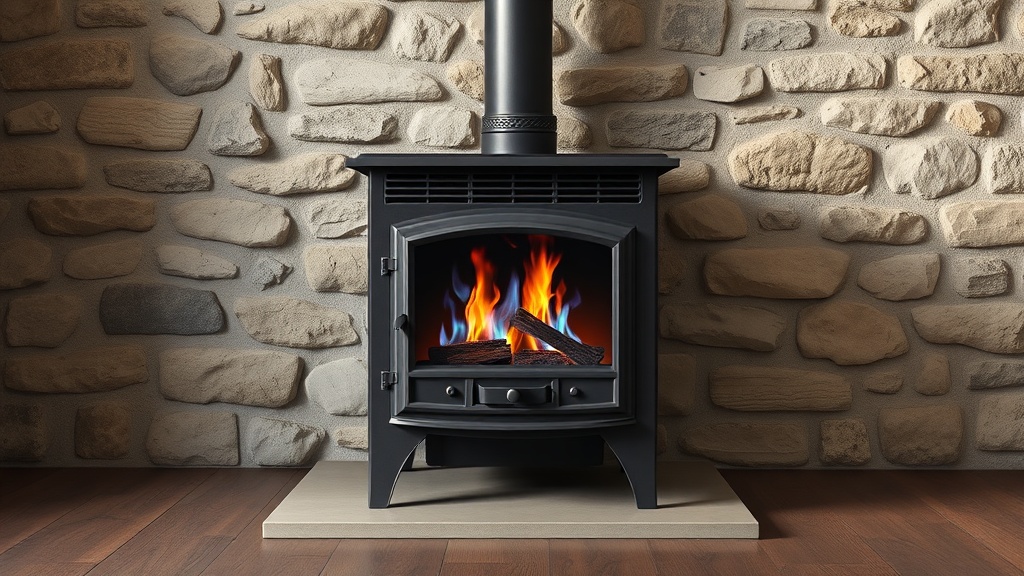
England is poised to implement tighter restrictions on wood-burning stoves and fireplaces as part of a newly released environmental improvement plan. This initiative aims to reduce PM2.5 particulate pollution, with targets set to align with current EU standards. The plan introduces consultations on measures to curb domestic combustion emissions, which have been found to produce significant pollution.
In parallel, the government has allocated £500 million from existing funds towards landscape recovery projects. A key objective is to restore or create 250,000 hectares of wildlife-rich habitats by the year 2030. This strategic approach is intended to foster nature recovery on a larger scale and assuage concerns about habitat loss due to housing and infrastructure development.
The updated environmental plan also includes detailed delivery plans for Environment Act targets, enhancing accountability and progress tracking. Measures to tackle PFAS chemicals and illegal waste dumping are also featured. This comprehensive approach seeks to demonstrate that development and nature conservation can proceed in tandem, assuring a net gain in habitats.