Home / Environment / UK Peatlands: A race to save ancient carbon sinks
UK Peatlands: A race to save ancient carbon sinks
8 Nov
Summary
- Ancient peatlands are releasing stored carbon due to damage.
- Restoration projects use techniques like coir logs and deep-trench bunding.
- Government has pledged £110 million for peat restoration by 2030.
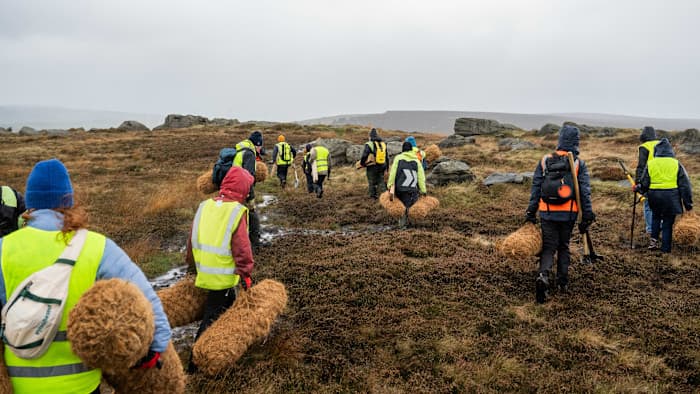
Ancient peatlands in England, which have stored carbon for thousands of years, are now releasing it into the atmosphere due to damage. These vital ecosystems are becoming drier and degraded from historical agricultural draining and commercial extraction. Conservation groups are implementing restoration projects to combat this. In Yorkshire, volunteers are using coir logs to block water flow and rewet damaged peatlands on Bridestones Moor. This is a critical intervention against extreme hot and dry conditions that exacerbate the problem. In Somerset, the Wildlife Trust is employing deep-trench cell bunding at sites like Westhay Moor. This method helps slow water flow and restore peat health, with early signs of biodiversity returning. Similar efforts are underway at Honeygar Farm to create fen-like habitats. Recognizing the urgency, the government has pledged £110 million for peat restoration by 2030, including funding for paludiculture, or wet farming. This approach allows peat to store carbon while supporting active farmland. Projects in Cambridgeshire's Great Fen have successfully trialed wet farming, improving farmer relations and dispelling fears about flooding.


