Home / Environment / UK Whale Rescues Surge: Volunteers Needed Urgently
UK Whale Rescues Surge: Volunteers Needed Urgently
10 Mar
Summary
- Volunteer numbers for marine mammal rescues have risen significantly.
- The number of cetacean strandings has more than doubled since 2018.
- Training involves realistic replica whales to prepare volunteers.

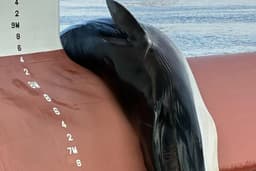
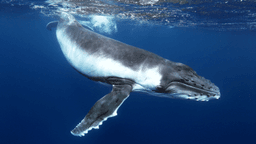
An increasing number of whales, dolphins, and porpoises are washing ashore on UK coastlines, leading to a critical need for more volunteers to assist in their rescue. The British Divers Marine Life Rescue (BDLMR) organization is actively recruiting individuals to help assess, provide first aid, and refloat stranded marine animals. Director of welfare and conservation Dan Jarvis noted a general upward trend in strandings in recent years, exacerbated by winter storms.
Factors contributing to this rise include man-made hazards, greater public awareness, and an abundance of prey near coastal areas. Data from BDLMR shows live strandings more than doubled from approximately 22 in 2018 to 46 in 2025. The years 2023 and 2024 saw peak numbers in the 60s for cetacean strandings.
While volunteer numbers have grown from around 2,000 to nearly 3,500 over the past eight years, certain coastal areas still face a shortage of responders. The BDLMR offers a £150 Marine Mammal Medic Course for new recruits. Training includes hands-on practice with a two-tonne replica pilot whale, simulating the complex process of refloating large animals.
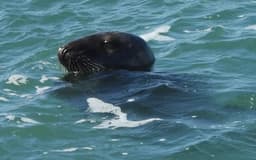
Volunteers learn to manage challenging rescues, including whales, dolphins, and seals, and are trained in first aid and personal safety. Marine mammals can carry zoonotic diseases, necessitating protective gear and safe handling techniques to prevent bites, especially with seal pups. The public is urged not to intervene directly but to call BDLMR, keeping crowds and dogs away and the animal cool and moist, ensuring no water enters the blowhole.