Home / Environment / UK Homes Trap Heat: A Brewing Crisis
UK Homes Trap Heat: A Brewing Crisis
30 Jul
Summary
- Solid brick homes absorb heat, radiating it back indoors.
- Urban heat island effect worsens heatwave deaths significantly.
- Debate rages: Invest in adaptation or carbon cutting?
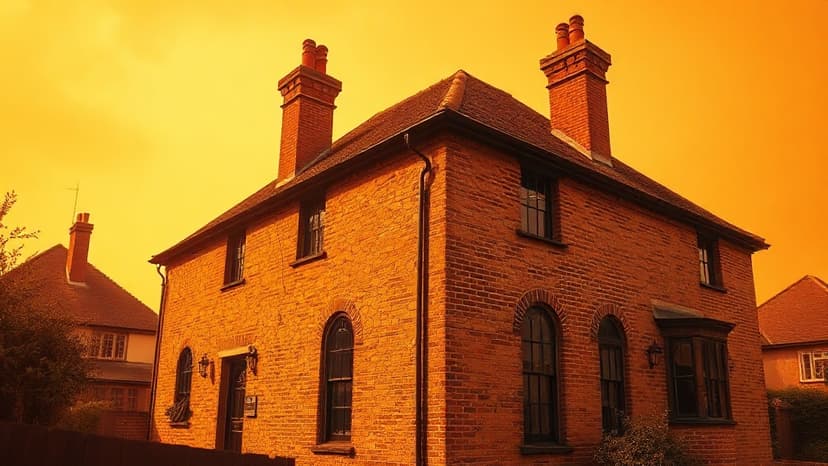
Increasingly intense heatwaves are exposing a critical flaw in UK housing: homes built to retain warmth are becoming dangerously hot. Solid brick structures absorb solar heat, radiating it back into living spaces, contributing to the urban heat island effect. This phenomenon, particularly dangerous during the early hours, has been linked to a significant portion of heat-related deaths in urban centers. For instance, modelling of a past West Midlands heatwave indicated the urban heat island effect alone was responsible for roughly half of all heat-related fatalities.
This situation forces a difficult choice for housing providers and policymakers: whether to embrace cooling technologies like air conditioning, despite their costs and environmental consequences, or to invest more heavily in adapting existing housing stock. For decades, the focus has been on mitigation, or reducing carbon emissions, with adaptation receiving substantially less funding globally. This imbalance is now being challenged, with proponents arguing that adaptation measures are crucial for saving lives in a warming world.
Experts and policymakers are divided on the best approach. Some advocate for passive cooling methods and cautious adoption of air conditioning, emphasizing its potential to strain the electricity grid and worsen urban heat. Others argue for a more aggressive embrace of cooling technologies, especially in vulnerable settings like hospitals and care homes. The debate also touches on funding disparities, with less affluent communities often being most exposed to extreme heat but having fewer resources for adaptation.
The UK's Boiler Upgrade Scheme now offers some support for heat pumps that can also provide cooling, but uptake has been low, and key groups like social housing residents are excluded. Meanwhile, the physical reality of overheating homes is forcing residents into difficult situations, with some even resorting to legal action against landlords. The long-term solution remains a complex balancing act between immediate relief and sustainable climate strategies.


