Home / Environment / Green Spaces Thrive: UK's Vital Parks Get Community Care
Green Spaces Thrive: UK's Vital Parks Get Community Care
31 Jul
Summary
- Skilled gardeners are crucial for public green spaces sustainability.
- Training programs empower gardeners for ecological and community impact.
- Well-maintained green spaces reduce stress and improve wellbeing.
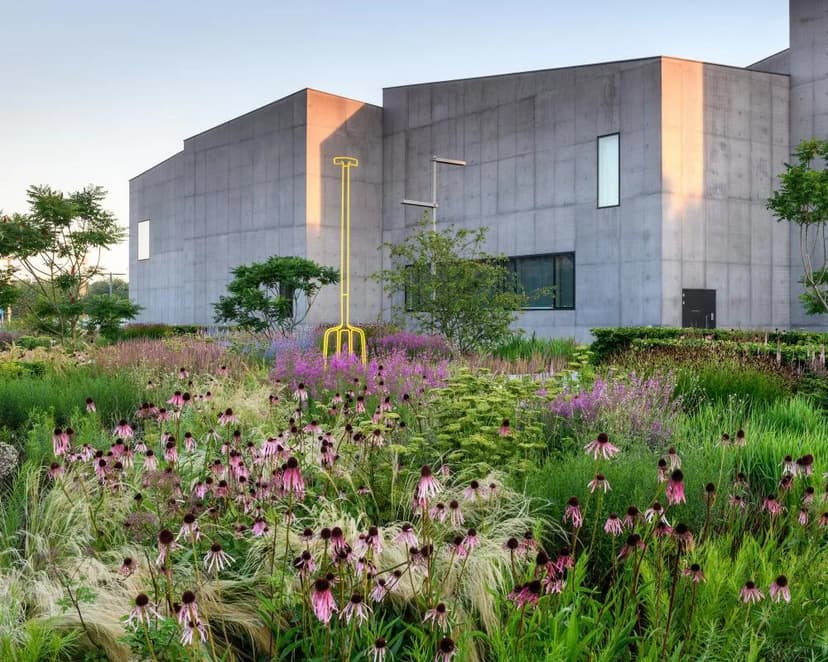
The upkeep of Britain's essential green spaces, from city parks to community gardens, faces significant challenges as local authorities reduce funding. These non-statutory services increasingly depend on volunteer groups. John Little of Care Not Capital advocates for investment in skilled gardeners, arguing it yields benefits beyond horticultural maintenance, including biodiversity, climate mitigation, community engagement, and reduced antisocial behaviour.
Care Not Capital, launched by Little and Susanna Grant in 2025, offers free training to public-space gardeners. The program focuses on ecological and biodiverse gardening practices, aiming to make green spaces more engaging and valuable. Training covers habitat creation, biodiversity surveying, and community engagement, empowering gardeners to influence their environments.
Examples highlight the transformative impact of skilled gardening. Katy Merrington at The Hepworth Wakefield uses volunteers to maintain an accessible public garden, fostering inspiration and respite. Benny Hawksbee at London's Eden Nature Garden has cultivated a haven for wildlife and people, meticulously documenting biodiversity. Shereen Chung-Blake transformed a disused lawn in Camberwell into a thriving community garden, fostering cultural exchange and social cohesion.
In Sheffield, Owen Hayman of the Green Estate manages the Grey to Green scheme, a mile-long sustainable drainage system. This initiative mitigates flooding by managing rainwater runoff, simultaneously enhancing biodiversity and providing a green transport route. Gardeners' understanding of these multifaceted functions is key to supporting the scheme's success.


