Home / Environment / Dry Winters Fuel England's Growing Drought Fears
Dry Winters Fuel England's Growing Drought Fears
27 Nov • 1 read
Summary
- Dry winters are critical for replenishing water reserves.
- Winter rainfall deficits significantly increase summer drought risk.
- Climate change may alter seasonal rainfall patterns, impacting water availability.
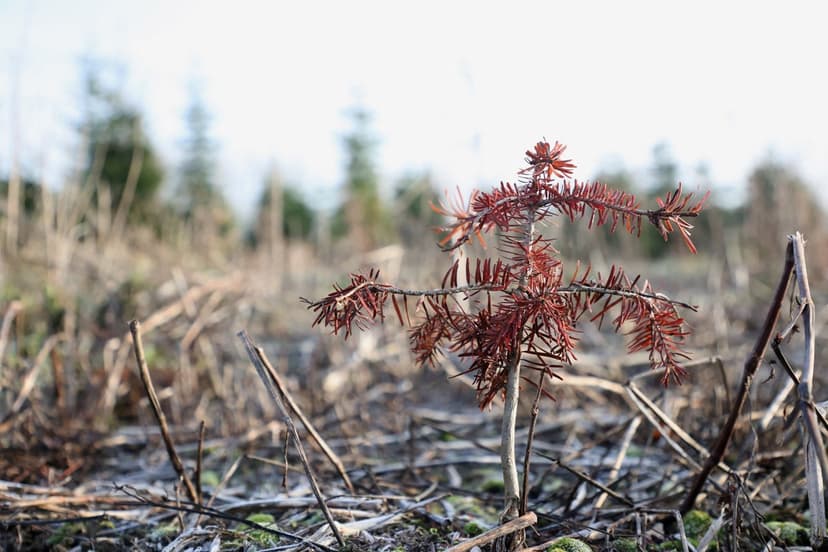
Great Britain's most severe water shortages historically stem from dry winters. The summer drought of 2022 was amplified by a dry preceding winter, particularly affecting England's chalk aquifers. This past winter's insufficient rainfall, including a record-dry February in England, prevented reservoirs in the southwest from fully replenilling, extending hosepipe bans and straining river ecosystems throughout the year.
The drought of 2026 in parts of England and Wales is still unfolding, with dry summer conditions persisting into early October. Lingering low river and groundwater levels are a concern, alongside water scarcity in Scotland. Catchment areas experiencing dry winters face a higher risk of more severe summer drought conditions in the subsequent year.
While droughts are typically viewed as a summer phenomenon due to increased demand, winter is crucial for replenishing underground aquifers and reservoirs. A deficit in winter rainfall can impact water systems for months, especially in regions relying on groundwater. These low winter rainfall levels strongly dictate summer groundwater and river flow, escalating the odds of a summer drought.
Future climate projections indicate a significant shift, with UK winters potentially becoming wetter but summers substantially drier. This will not eliminate winter droughts, as increased atmospheric variability means dry winters will persist. Much early winter rain may be absorbed by dry soils, shortening the window to refill groundwater reserves and altering the traditional link between winter rain and summer water supplies.
Addressing these growing disruptions requires a shift from reactive measures to proactive, year-round water storage solutions. This includes constructing farm reservoirs, implementing managed aquifer recharge by pumping excess winter floodwater underground, and restoring wetlands to slow runoff. These strategies are vital for mitigating increasing pressure on water systems amid a changing climate that favors warmer, drier weather.


