
Home / Environment / British Weather Wisdom Rewritten by Climate Change
British Weather Wisdom Rewritten by Climate Change
2 May
Summary
- England experienced unusually dry weather in April, contradicting tradition.
- UK's climate trends show wetter winters and drier summers.
- Spring signs like frogspawn emerged earlier this century.
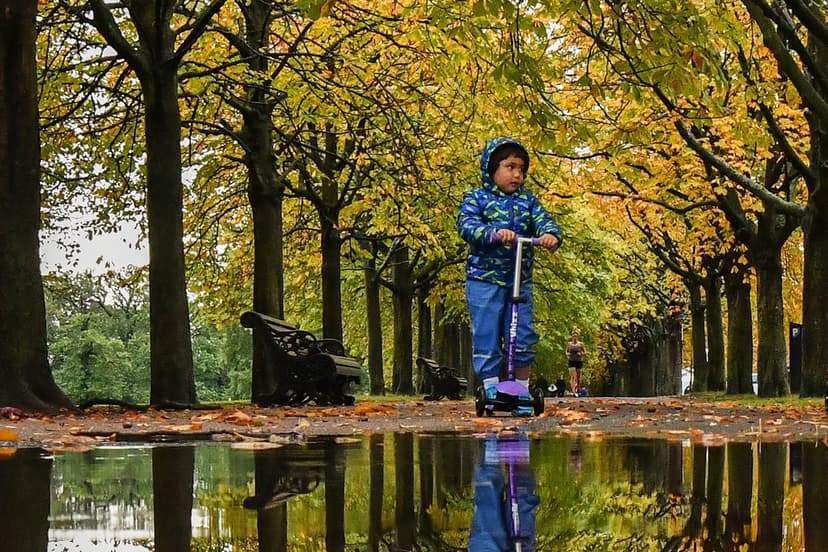
England's iconic April showers have largely failed to materialize this year, a stark contrast to historical expectations and meteorological observations from April 1758. Following a wet January and February, April 2026 saw significantly below-average rainfall in many parts of England, with some areas receiving only 17% of their usual precipitation. This marks a continuation of a trend where the UK experiences wetter winters and increasingly drier summers.
This climatic shift is also evident in the earlier emergence of spring indicators. Data from Nature's Calendar shows that phenomena like frogspawn and the blooming of hazel have occurred at their earliest points this century. Such rapid changes raise concerns about the delicate balance of ecosystems, with potential disruptions to food chains. For instance, the peak of insect populations could occur before the hatching of nesting birds that rely on them.
Further supporting this trend, the UK recorded its sunniest April on record in 2025, followed by one of the hottest and driest summers. These changing patterns challenge traditional weather wisdom, such as the saying 'N'er cast a clout till May is out,' which may need reinterpretation in light of earlier springs. The shift suggests a need to adapt to a new climate reality.
