Home / Environment / Vets Learn Bee Medicine Amid Colony Collapse
Vets Learn Bee Medicine Amid Colony Collapse
3 Aug
Summary
- University of Georgia now trains vets in honeybee medicine.
- Half of US managed honeybee colonies were lost in 2024-2025.
- Veterinarians lack crucial skills to identify bee diseases.
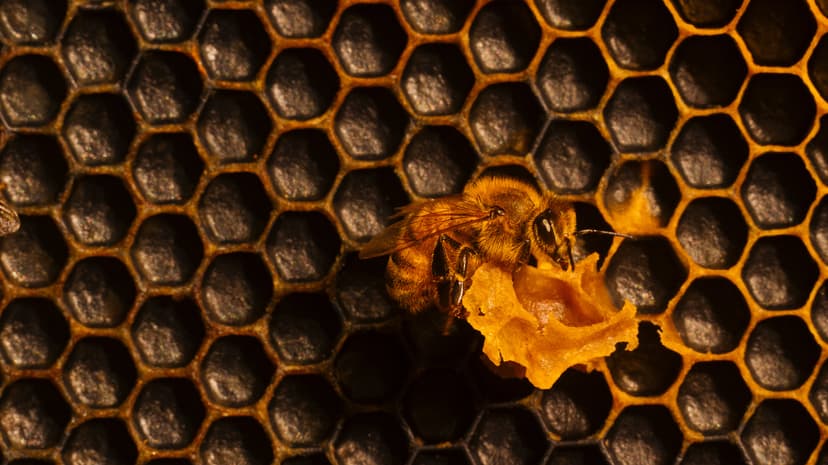
Aspiring veterinarians at the University of Georgia are now learning to treat honeybees, a crucial step in addressing a widespread crisis. In the 2024 to 2025 season, the United States experienced a devastating loss of over half its managed honeybee colonies, impacting the nation's food supply through pollination.
This surge in bee mortality, caused by parasites, disease, climate change, and pesticides, has exposed a significant knowledge gap among veterinarians. Many practitioners are untrained in identifying bee-specific ailments or writing necessary prescriptions. The University of Georgia's program, alongside efforts from organizations like the Honey Bee Veterinary Consortium, aims to equip the next generation of vets with these vital skills.
Beekeepers are struggling to maintain their hives, with some reporting that mass die-offs are considered a regular occurrence. The University of Georgia's program teaches students a holistic approach to hive health, emphasizing nutrition and environmental conditions. This initiative is part of a growing movement to integrate honeybee care into standard veterinary practice, recognizing bees as essential 'micro-livestock.'


