Home / Environment / Nature's Rainmakers: Can We Restore Them?
Nature's Rainmakers: Can We Restore Them?
17 Jul
Summary
- Tropical forests are vital atmospheric water pumps supporting rainfall.
- Restoring 43-83% of cleared land could heal local water cycles.
- Focusing restoration on key zones maximizes environmental impact.
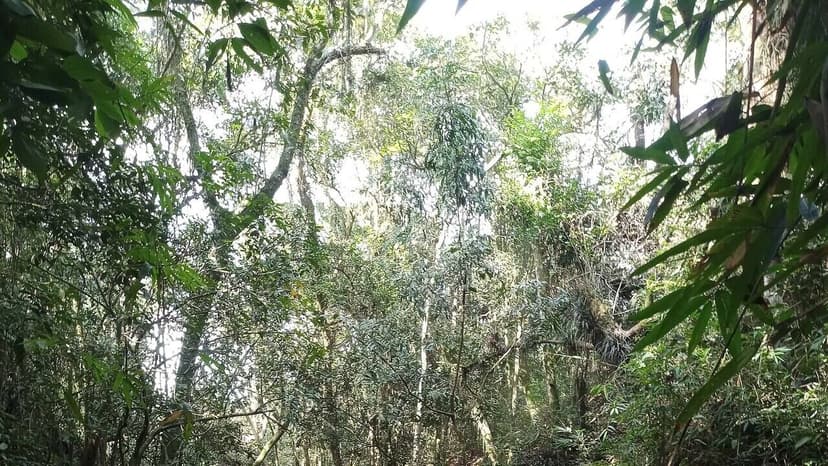
For centuries, tropical forests in South America and Africa have functioned as vital atmospheric moisture providers, regulating rainfall and freshwater flows. However, ongoing deforestation for roads and agriculture has severely disrupted this natural system.
A groundbreaking study published in Nature Climate Change suggests a paradigm shift is needed, moving beyond a sole focus on carbon emissions to recognizing the critical role of forests in water cycles. The research indicates that significant damage to these water systems may be partially reversible.
Scientists found that strategically restoring between 43% and 83% of previously cleared tropical land could help offset disruptions. This pattern, termed hydrological asymmetry, highlights that regrowing trees has a stronger positive impact on the atmosphere than deforestation has a negative one.
This reframes forest protection as an issue with practical restoration implications. When this natural 'water pump' weakens, communities face hotter days, erratic growing seasons, and drying wells. The findings urge conservationists and businesses to direct funds toward reviving vital water corridors, recognizing that forest restoration in these regions influences regional and global climate systems.


