
Home / Environment / Tribal Lifeline or Ecological Threat? Debate Rages Over Puruwala-Simbalbara Road
Tribal Lifeline or Ecological Threat? Debate Rages Over Puruwala-Simbalbara Road
27 Sep, 2025
Summary
- Road through Simbalbara National Park is vital for tribal community
- Conservationists argue road degrades park's biodiversity and ecology
- Forest department says no evidence of serious environmental damage
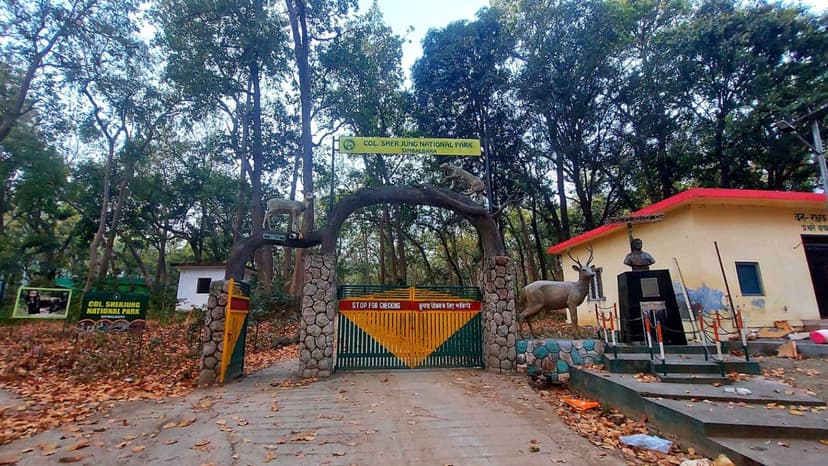
As of September 27th, 2025, a heated debate is ongoing over the Puruwala-Simbalbara road that runs through the Simbalbara National Park in Himachal Pradesh. The National Green Tribunal (NGT) had previously intervened, raising concerns about the road's impact on the park's biodiversity, including its Sambar deer and elephant populations.
Sanjay Kumar, an applicant from New Delhi, argued that the road is used for heavy vehicular traffic, degrading the park's ecology. However, the Himachal Pradesh Forest and Wildlife Department has strongly defended the road's existence. They stated that the 12-km-long route is the only reliable connectivity for the 2,253 residents of Pillodi, a tribal community within the park, providing access to essential services and markets.
The department noted that relocating these families would be extremely challenging, as Himachal Pradesh has limited non-forest land available for large-scale rehabilitation. They also countered claims of ecological damage, stating that there is no conclusive evidence of serious adverse impact on the park's biodiversity. In fact, the department cited the recent sighting of tigers and the frequent movement of elephants as indicators of a healthy and recovering ecosystem.
The forest department urged the NGT to recognize the road's role in supporting the local community's subsistence-based connectivity, rather than commercial exploitation. The debate continues as the authorities weigh the needs of the tribal residents against the concerns of conservationists over the Simbalbara National Park's delicate ecosystem.
