feedzop-word-mark-logo
searchLogin
Feedzop
homeFor YouIndiaIndia
You
bookmarksYour BookmarkshashtagYour Topics
Trending
trending

Dow Jones awaits Fed decision

trending

ITR refund delays explained

trending

Court reverses Byju order

trending

Australia bans social media under 16

trending

India Post reengineering underway

trending

Union Bank tackles cyber risks

trending

Mexico tariff hits car exports

trending

Sabarimala gold heist case

trending

Ayushman cards issued to women

Terms of UsePrivacy PolicyAboutJobsPartner With Us

© 2025 Advergame Technologies Pvt. Ltd. ("ATPL"). Gamezop ® & Quizzop ® are registered trademarks of ATPL.

Gamezop is a plug-and-play gaming platform that any app or website can integrate to bring casual gaming for its users. Gamezop also operates Quizzop, a quizzing platform, that digital products can add as a trivia section.

Over 5,000 products from more than 70 countries have integrated Gamezop and Quizzop. These include Amazon, Samsung Internet, Snap, Tata Play, AccuWeather, Paytm, Gulf News, and Branch.

Games and trivia increase user engagement significantly within all kinds of apps and websites, besides opening a new stream of advertising revenue. Gamezop and Quizzop take 30 minutes to integrate and can be used for free: both by the products integrating them and end users

Increase ad revenue and engagement on your app / website with games, quizzes, astrology, and cricket content. Visit: business.gamezop.com

Property Code: 5571

Home / Environment / Toxic Metals Found on Beach Pellets

Toxic Metals Found on Beach Pellets

11 Dec

•

Summary

  • Heavy metals like lead and arsenic found on millions of plastic pellets on Sussex coast.
  • Plastic beads potentially toxic to wildlife if ingested by birds or fish.
  • Spill originated from a Southern Water wastewater treatment works in Eastbourne.
Toxic Metals Found on Beach Pellets

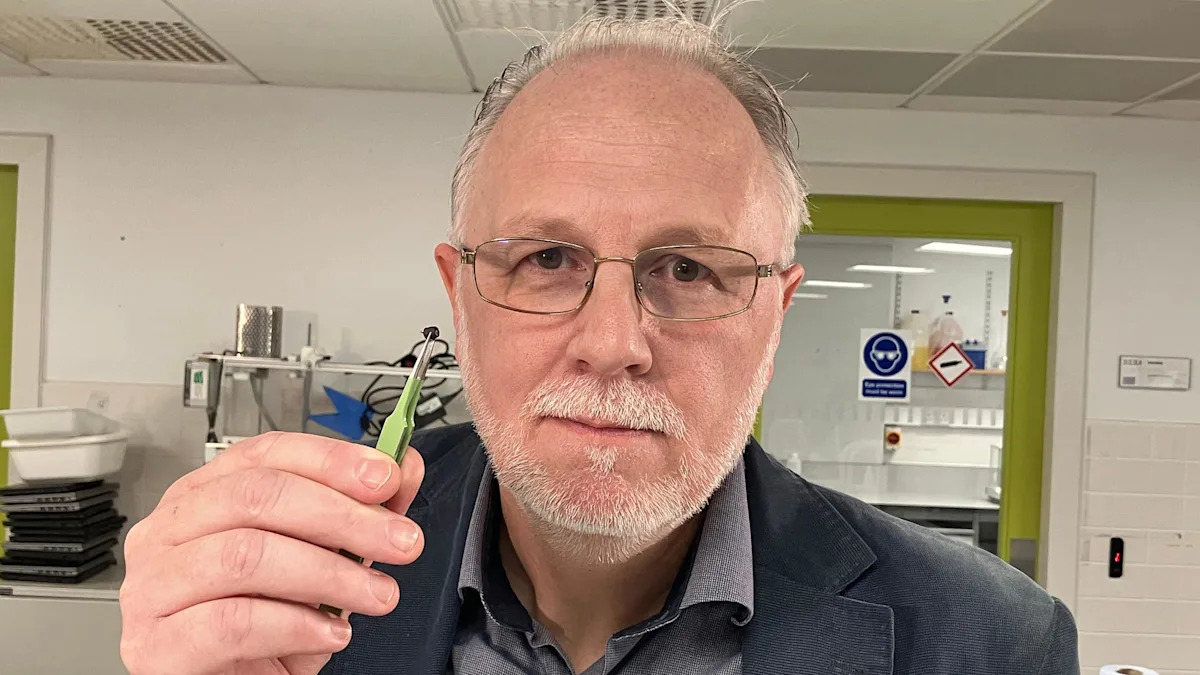
Plastic pellets laden with heavy metals such as lead, arsenic, and cadmium have been discovered in vast numbers along the Sussex and Kent coastlines. Scientists from King's College London analyzed 200 bio-beads collected from Camber Sands, revealing the presence of antimony, barium, lead, rubidium, strontium, cadmium, thorium, and arsenic. While not classified as hazardous waste, these levels are concerning for local wildlife.

Experts warn that if birds consume these pellets or ingest fish that have eaten them, the heavy metals could prove toxic, potentially harming the animals' nervous systems. This contamination risk, particularly for protected areas like Rye Harbour Nature Reserve, has spurred intensive cleanup efforts involving volunteers and conservation groups. The beads' size and buoyancy increase the likelihood of them being mistaken for food by wildlife.

The contamination likely stems from a spill at a Southern Water wastewater treatment works in Eastbourne over a month prior to the discovery. Historically, such beads were made from recycled electronics, which contained higher levels of heavy metals before EU regulations changed in 2003. Investigations into the spill are ongoing, with Southern Water and the Environment Agency involved.

Disclaimer: This story has been auto-aggregated and auto-summarised by a computer program. This story has not been edited or created by the Feedzop team.
Heavy metals including lead, arsenic, cadmium, antimony, barium, rubidium, strontium, and thorium were found on the plastic pellets.
The pellets are believed to have spilled from a Southern Water wastewater treatment works in Eastbourne.
Ingestion by birds or fish could expose them to toxic heavy metals, potentially impacting their nervous systems and overall health.

Read more news on

Environmentside-arrowU.K. Environment Agencyside-arrow

You may also like

Tap Water Wins: Bottled Water's Purity Myth Debunked

8 hours ago • 2 reads

article image

Punjab's Water: Uranium Levels Soar Alarming

8 Dec • 60 reads

article image

Fish Gills Inspire Microplastic Filter for Laundry

9 Dec • 14 reads

article image

Microplastics Invade Lungs: Doctors Warn of Health Crisis

5 Dec • 73 reads

article image

EU Tackles Microplastic Tide from Plastic Pellets

3 Dec • 60 reads

article image