Home / Environment / Dolphin Brains Contain Toxic E-Waste Chemicals
Dolphin Brains Contain Toxic E-Waste Chemicals
25 Feb
Summary
- Toxic e-waste chemicals found in brains of dolphins.
- These chemicals alter gene activity in dolphin cells.
- Contaminants may enter human food chain via seafood.
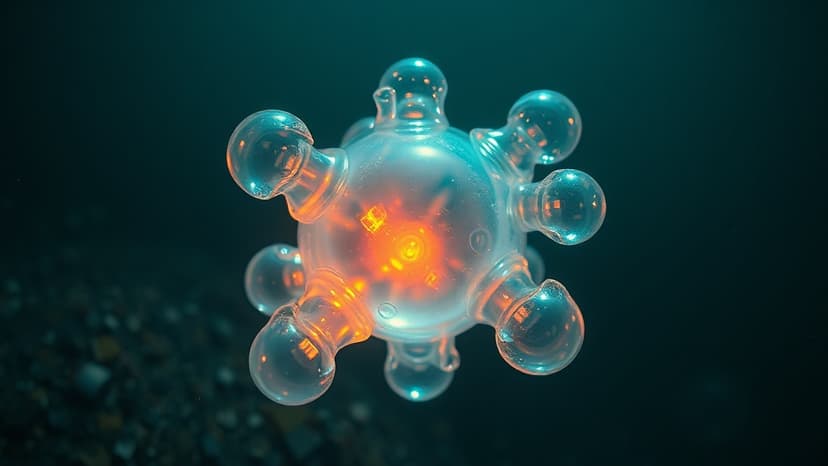
Toxic e-waste chemicals, known as liquid crystal monomers (LCMs), have been discovered in the brains and bodies of endangered marine mammals in the South China Sea. These pollutants, originally used in television, computer, and smartphone screens, are highly stable and do not break down easily in the environment. Over 14 years of research, scientists from City University of Hong Kong analyzed tissue samples from humpback dolphins and finless porpoises.
The study detected significant levels of LCMs in various tissues, including blubber, muscle, liver, kidney, and surprisingly, brain tissue. Analysis revealed that these chemicals can cross the blood-brain barrier, raising alarm bells for potential human health risks. Researchers found that LCMs can alter gene activity related to DNA repair and cell division in dolphin cells.
Scientists believe these contaminants enter the animals through the food chain, as they have also been found in the fish and invertebrates that these species consume. With 62 million tonnes of e-waste generated annually worldwide, the prevalence of 'fast-tech' products contributes significantly to this growing problem. The researchers urge for stricter regulations on persistent chemicals in electronics and recommend responsible disposal and repair of devices to mitigate future public health crises.