

Home / Environment / Industry's Heat Storage Revolution: Cheaper Than Batteries
Industry's Heat Storage Revolution: Cheaper Than Batteries
21 Apr
Summary
- Thermal energy storage is up to five times cheaper than battery solutions.
- Thermal energy storage uses abundant materials like sand, rock, and molten salt.
- The global thermal energy storage industry is now valued at $2.51 billion.
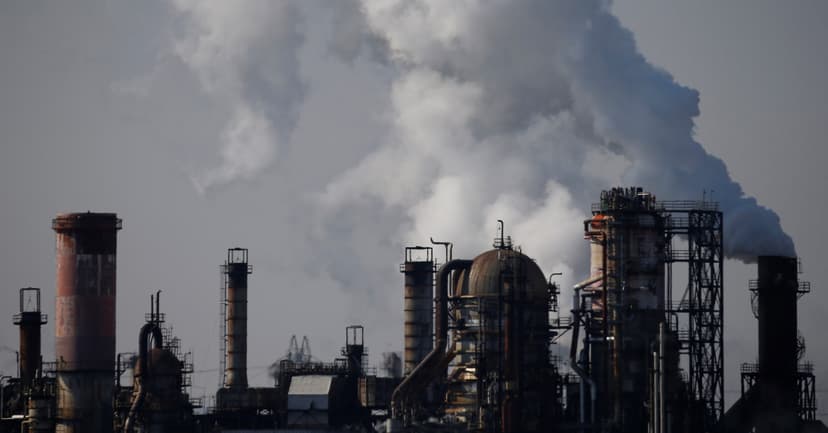
Industrial processes globally consume 37% of total energy, with two-thirds requiring heat, predominantly from fossil fuels. Thermal energy storage (TES) is emerging as a cost-effective solution, storing energy directly in materials like molten salt, sand, or concrete.
TES offers a significant cost advantage, being up to five times cheaper than lithium-ion batteries due to the use of abundant materials like steel and gravel. The industry, valued at $2.51 billion as of recent assessments, is experiencing rapid growth with numerous companies developing diverse solutions.
Companies like Norway-based Kyoto Group, with its "Heatcube" system, are demonstrating TES's potential. Their system in Hungary replaces natural gas, providing clean process heat and reducing over 8,000 tonnes of CO2 annually. This technology also offers substantial energy cost savings.
Innovators like California-based Antora are developing advanced TES products using graphite, capable of storing immense energy and even converting heat directly into electricity using thermophotovoltaic technology.
The foundational requirement for these TES systems is access to cheap, renewable, and intermittent electricity, allowing energy to be stored when prices are low. This technology is poised to play a crucial role in the green energy transition and industrial decarbonization.
