Home / Environment / Thailand's Tilapia Terror: Invasive Fish Overruns Waterways
Thailand's Tilapia Terror: Invasive Fish Overruns Waterways
12 Jul
Summary
- Invasive blackchin tilapia, first seen in 2011, now infest 19 Thai provinces.
- The fish consumes shrimp, crabs, and zooplankton, disrupting ecosystems.
- Efforts include predators, sterile offspring, and bounties, but eradication is unlikely.
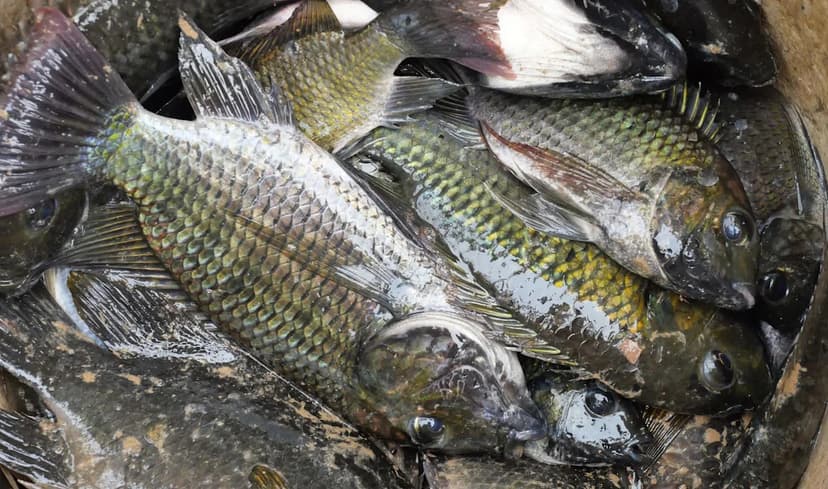
Thailand is grappling with a significant ecological and economic challenge posed by the invasive blackchin tilapia. First detected in 2011, this West African species has rapidly spread to at least 19 provinces, impacting diverse aquatic environments from Bangkok's canals to coastal areas.
The destructive nature of the blackchin tilapia is profoundly affecting local communities. Fishermen report substantial losses, with the invasive fish consuming everything from baby shrimp to crabs, leading to the collapse of aquaculture operations. Its rapid reproduction, high juvenile survival rate, and adaptability to both fresh and brackish water make it exceptionally difficult to control.
Beyond economic devastation, scientists express concern over ecological ramifications. The tilapia's habit of digging pits can disturb sediments, harming bottom-dwelling organisms and aquatic plants. Furthermore, its consumption of zooplankton disrupts the natural balance that controls algae growth.
Authorities have implemented several control measures, including introducing Asian sea bass as predators, developing sterile tilapia strains, and offering monetary incentives for catching the fish. While thousands of tons have been removed, complete eradication is deemed unrealistic. Researchers emphasize the importance of early detection through environmental DNA testing to mitigate future invasions.
Some communities are exploring economic opportunities by serving the tilapia, with some finding it surprisingly delicious. However, the sheer volume of the invasive fish suggests that commercialization alone cannot solve the pervasive problem, leaving it a silent, persistent threat to Thailand's vital waterways.


