
Home / Environment / Summer Hikes? Beware These 4 Venomous Snakes
Summer Hikes? Beware These 4 Venomous Snakes
3 Jun
Summary
- Four venomous snakes inhabit Tennessee: copperhead, cottonmouth, timber rattlesnake, and pygmy rattlesnake.
- Copperheads have mild venom; cottonmouths are common in West TN aquatic habitats.
- Timber rattlesnakes are the largest and most dangerous; pygmy rattlesnakes are small and rare.
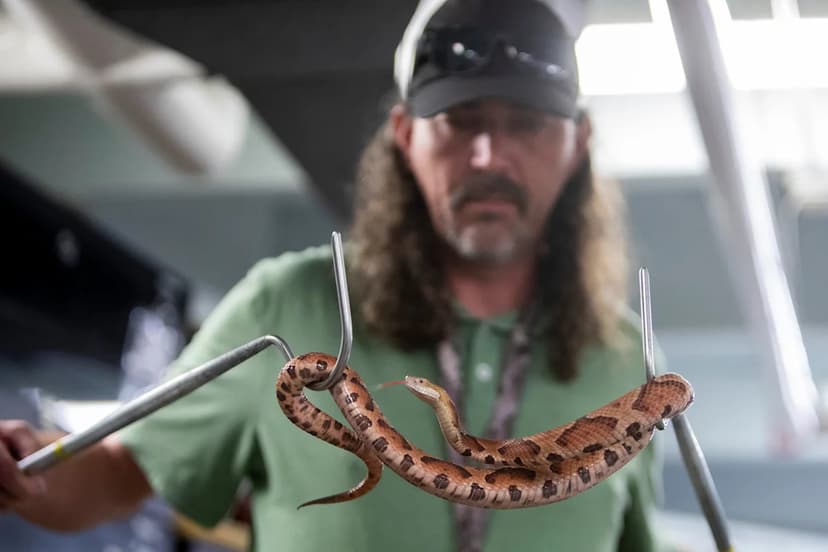
Tennessee is home to 32 snake species, with four being venomous: the copperhead, cottonmouth, timber rattlesnake, and pygmy rattlesnake. These species vary in appearance and habitat but are all found in West Tennessee.
Copperheads, including Southern and Northern varieties, are medium-sized with distinctive hourglass markings. They prefer forested areas but can adapt to urban settings. Their venom is not highly potent, making fatalities rare.
The cottonmouth, or water moccasin, is common in Western Tennessee's wetlands and aquatic habitats. These snakes have ridged scales and a triangular head. Their defensive display involves opening their mouths to reveal a white lining. Bites typically cause pain and swelling.
Pygmy rattlesnakes are the smallest venomous snakes in Tennessee, measuring about 15 to 20 inches. They inhabit various environments, often near water, and possess a tiny rattle. Despite their toxic venom, their small size reduces the risk of severe bites. The Western Pygmy Rattlesnake is listed as threatened.
The timber rattlesnake is the largest and most dangerous, reaching up to 60 inches. Preferring mature forests, these snakes have chevron-shaped bands and a distinctive rattle. Populations are declining due to habitat loss and road mortality. Bites require immediate medical attention.
