Home / Environment / Tehran's Air Cleaner Than Delhi Despite Strikes
Tehran's Air Cleaner Than Delhi Despite Strikes
12 Mar
Summary
- Tehran's air quality is good to moderate, unlike Delhi's unhealthy levels.
- Strikes in Iran caused toxic black rain and health concerns for residents.
- Delhi's pollution stems from industry, traffic, and crop burning.
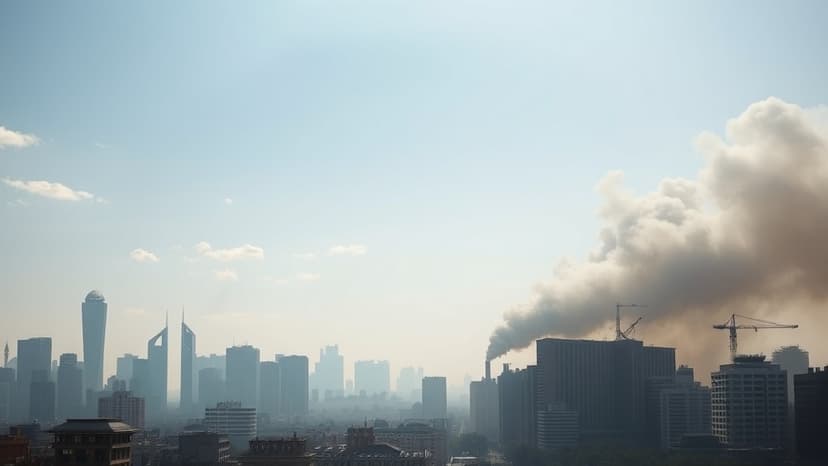
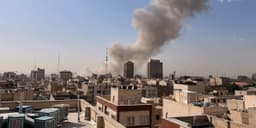
Tehran's air quality was reported in the "good to moderate" range on Wednesday, with AQI readings between 32 and 67. This occurred despite bombings and missile strikes on oil depots in Iran since February 28. In stark contrast, Delhi recorded "poor to unhealthy" levels, exceeding 110 on the AQI during the same period.
New Delhi faces persistent air quality issues due to its location in the Indo-Gangetic Plain, surrounded by heavy industry, dense traffic, construction, and seasonal crop burning in neighboring states. These factors contribute significant amounts of PM2.5, a key component of smog. The city and its National Capital Region are home to over 30 million people.
Geographic factors further worsen Delhi's air. Weak winds and temperature inversions frequently trap pollutants near the ground. The surrounding terrain, including the Himalayas and Aravalli hills, hinders effective pollutant dispersion, creating a "pollution trap."
Meanwhile, recent strikes on Iranian oil depots have led to environmental crises, including massive fires and thick black smoke. This released soot, sulfur and nitrogen compounds, and hydrocarbons, causing black rain and reporting of adverse health effects like burning eyes and migraines among residents. The WHO has warned of immediate respiratory risks and long-term disease potential from inhaling such contaminated air.