
Home / Environment / Nagapattinam Tackles Water Woes With Community Power
Nagapattinam Tackles Water Woes With Community Power
30 May
Summary
- Community involvement is key to maintaining restored water sources.
- Geophysical surveys map underground fractures for water source restoration.
- Traditional water harvesting methods are being revived to combat salinity.
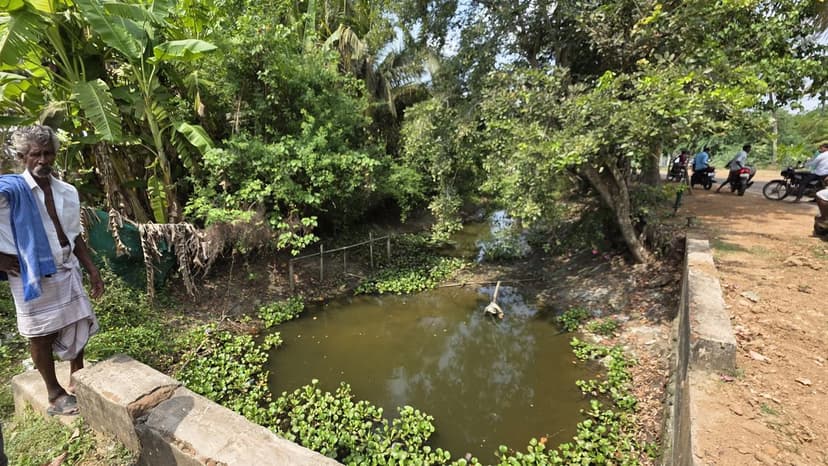
Nagapattinam district in Tamil Nadu is implementing a significant initiative to address long-standing drinking water challenges.
The project, now expanded to 17 panchayats and 21 sites across all five blocks, emphasizes community participation in safeguarding local water sources. This second phase builds on the success of the initial six-site rollout last year.
Expert-led surveys, including geophysical resistivity mapping of underground fracture lines, guide the restoration of abandoned wells and silted ponds. Hydrogeologist V. Haridas is overseeing these field visits.
Village Water and Sanitation Committees, strengthened with new members and guided by Standard Operating Procedures, are tasked with managing the restored water assets. The initiative leverages the Jal Jeevan Mission's framework for sustained community control.
Focusing on comprehensive solutions, the project tackles improper waste management and open defecation, which contaminate water. Ecological restoration, including removing invasive species and reviving inlet channels, is crucial for improving water quality.
Ecologists highlight that Nagapattinam possesses sufficient rainfall if harvested effectively. The initiative revives traditional intricate water storage and channeling systems, often found along mapped fracture lines, to push back salinity and recharge shallow aquifers.
This method of sustained shallow aquifer recharge is vital, especially given that Nagapattinam's clay-heavy soil supports effective surface recharge. Experts note that deep borewell drilling exacerbates salinity issues, whereas traditional pond restoration combats this effectively.
