Home / Environment / Arctic Surprise: Polar Bears Gain Weight Despite Melting Ice
Arctic Surprise: Polar Bears Gain Weight Despite Melting Ice
7 Feb
Summary
- Svalbard polar bears show improved body condition despite rapid ice loss.
- Flexible diets including land-based sources aid bear health.
- Local conservation and varied prey offer protection against climate change.

Polar bears in Norway's Svalbard archipelago are exhibiting improved body condition, a surprising finding given the rapid sea ice loss in the region. While many Arctic populations face declining health due to shrinking hunting platforms, Svalbard bears have shown a steady increase in weight since around 2000, despite an approximately two-month longer ice-free season. This trend persisted from 1995 to 2019.
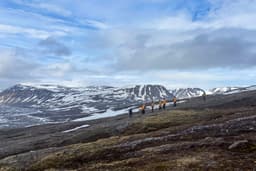
Scientists attribute this resilience to a more varied diet. While seals remain a key prey, bears are increasingly scavenging on land-based resources such as reindeer, walrus carcasses, and bird eggs. This dietary flexibility appears to offset reduced access to sea ice for hunting seals, a crucial food source. Strong local conservation measures, including hunting bans and protection of alternative prey, also contribute to their well-being.
However, this positive development in Svalbard does not represent a universal outcome for polar bears across the Arctic. Other populations, such as those in Western Hudson Bay, are experiencing declines due to extended fasting periods on land. The Svalbard bears' success is contingent on continued local conditions and may not guarantee long-term survival if sea ice loss accelerates drastically.
Observing polar bears in Svalbard is typically done from expedition ships or a safe distance, adhering to strict Norwegian regulations designed to protect the animals. This specific population's story underscores that while climate change poses significant threats, local conservation efforts and ecosystem management can influence wildlife outcomes, demonstrating varied impacts across different regions.