Home / Environment / Sustainable Sushi: Taste the Ocean's Future
Sustainable Sushi: Taste the Ocean's Future
14 Sep
Summary
- Many global fish stocks are overfished, impacting marine populations significantly.
- Seafood Watch Guide helps consumers choose sustainably sourced fish options.
- Asking questions at restaurants can drive change in seafood sourcing practices.
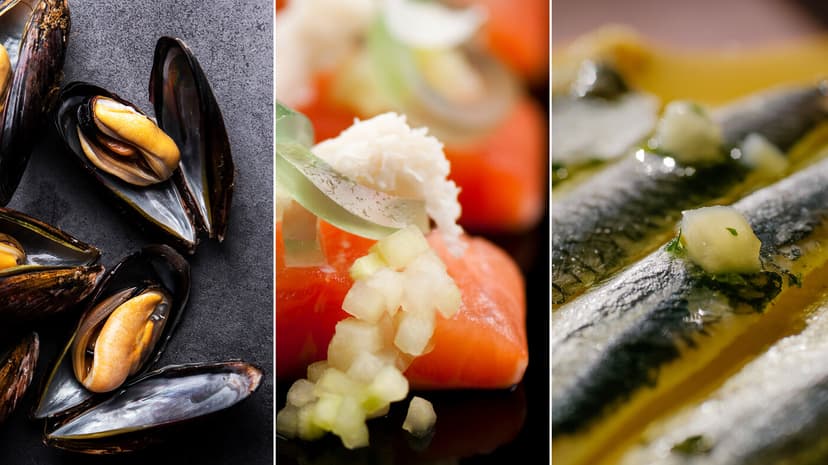
The world's oceans face significant challenges, with nearly 90% of global fish stocks being overfished, leading to a drastic decline in marine species populations over the past four decades. To address this, resources like the Monterey Bay Aquarium's free Seafood Watch Guide have become invaluable tools for consumers seeking sustainable seafood options. This guide, which originated from a simple in-cafe flyer in the 1990s, has evolved into a comprehensive online resource.
The Seafood Watch program utilizes a traffic light system to rate various fish based on their environmental impact, covering everything from farmed to wild-caught varieties. Experts recommend consumers familiarize themselves with guides and focus on fish they commonly eat, such as salmon. For instance, while some salmon species are green-lighted, others are red-lighted due to overfishing or harmful farming practices, like those affecting coho salmon farmed in Chile or issues with sea lice treatments in Norwegian Atlantic salmon.
Furthermore, the way fish are caught can have major ecological consequences. For example, Maine lobster, though a popular choice, is red-flagged due to the risk of entangling endangered North Atlantic right whales. Consumers are encouraged to ask questions about the origin and sustainability of their seafood. This direct engagement can compel retailers and restaurants to be more transparent and adopt better practices, as seen with the recovery of rockfish populations after consumer inquiries led to collaborative conservation efforts.


