Home / Environment / Super El Niño: West's Drought Relief Hopes Rise
Super El Niño: West's Drought Relief Hopes Rise
12 Aug
Summary
- A powerful El Niño is expected to bring relief to drought-stricken Western US.
- Historic El Niño could reshape weather patterns across North America.
- Colorado River levels and wildfire season may be impacted.
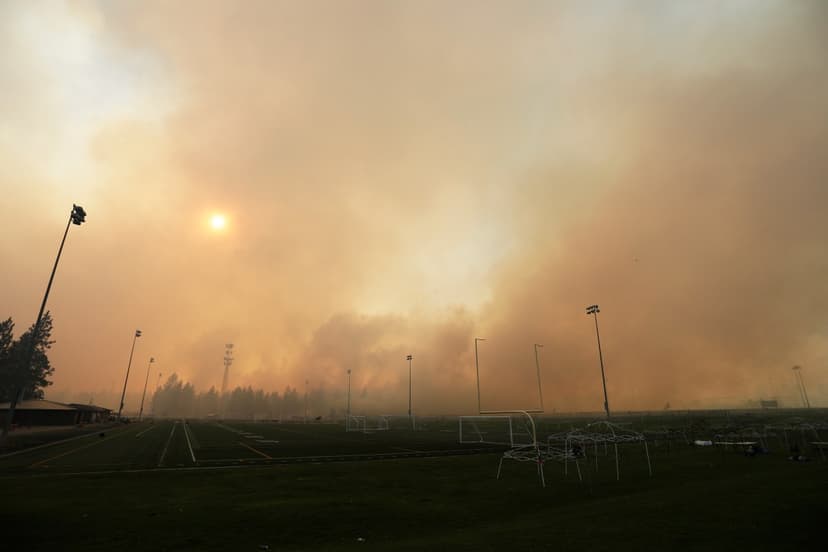
A rapidly intensifying El Niño is fueling optimism for drought relief in the Western United States, with forecasters suggesting it may rank among the strongest on record. This powerful climate pattern is expected to reshape weather across the Pacific and North America.
While immediate summer weather patterns may see little change, El Niño's most significant impacts typically emerge in late fall and winter. These effects could extend beyond this season, influencing drought conditions, Colorado River supplies, and mountain snowpack, while also presenting varied risks and benefits regionally.
Experts note that while NOAA classifies potent storms as 'very strong,' some meteorologists use 'super El Niño' for exceptionally powerful events. These occur when Pacific sea surface temperatures rise significantly, amplifying El Niño's global weather influence. Projections indicate El Niño will continue to strengthen through fall and winter, potentially matching historical events like those in 1982-83, 1997-98, and 2015-16.
The impact on Western states, particularly California and the Southwest, could mean a wetter and snowier winter. This increased precipitation is vital for replenishing drought-stricken regions and rebuilding critical mountain snowpack. For Colorado and Utah, hopes are high for a better snow season after last year's disappointing conditions, which affected ski resorts and water reservoirs.
Water levels in Lake Mead and Lake Powell may see a significant increase due to El Niño's influence. However, climate scientists caution that decades of overuse and aridification mean one wet year will not resolve the long-term water challenges in the Colorado River Basin. Nevertheless, near- to above-average precipitation is possible in the Lower Basin states, strengthening storm tracks in Arizona, New Mexico, southern Utah, and possibly southern Colorado.
Interestingly, while increased moisture may benefit the Southwest this winter, it could exacerbate wildfire risks in the following year. A 'wet-to-dry whiplash' scenario is possible, where abundant vegetation growth from wet conditions is followed by a hot, dry season, priming landscapes for fires. Furthermore, a strong La Niña event predicted for next summer could increase the likelihood of extreme heat and dryness in the Southwest, leading to a more active wildfire season in different areas than currently observed.


