
Home / Environment / Super El Niño to Reshape Carolinas Weather
Super El Niño to Reshape Carolinas Weather
12 May
Summary
- A strong El Niño event is expected to bring cooler, wetter conditions.
- Increased storm track activity could lead to frequent rain and flooding.
- El Niño may suppress overall hurricane numbers but still poses landfall risks.
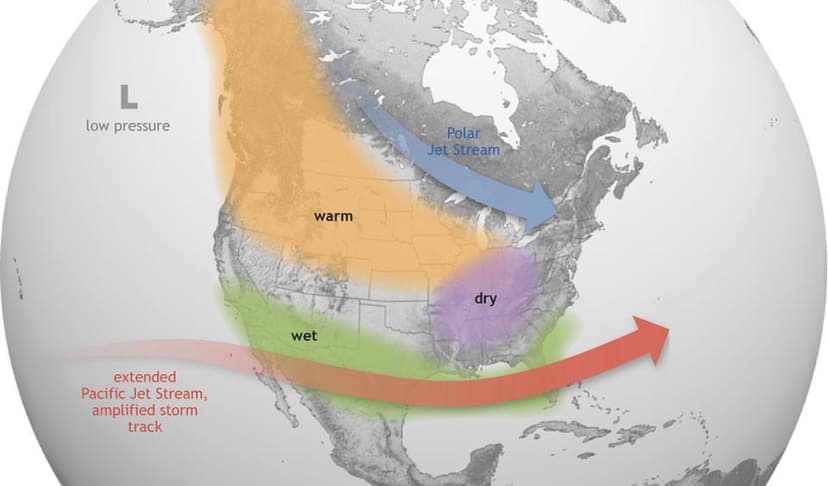
A significant shift in Pacific Ocean temperatures, indicating a developing El Niño event, is poised to influence weather across the Carolinas. Forecasters suggest this could be a strong, or 'Super El Niño,' event, bringing a higher probability of cooler and wetter conditions during the fall and winter months.
The anticipated El Niño could increase the frequency of storm systems traversing the Southeast. This may lead to extended periods of unsettled weather with repeated rain events, raising concerns about both flash flooding and prolonged river flooding, particularly in low-lying coastal areas with slower drainage.
While El Niño events historically tend to suppress the overall number of Atlantic hurricanes, they do not eliminate the risk. A single storm tracking along the Southeast coastline could still bring substantial flooding, erosion, and wind damage to North and South Carolina.
The potential intensity of this El Niño is notable, with some models suggesting it could rival powerful events seen in 1997-98 and 2015-16. These past occurrences had widespread global impacts, underscoring the potential for significant regional weather changes.
As the Atlantic hurricane season runs from June 1 to November 30, the 2026 season is expected to be ENSO-neutral through late summer. However, if El Niño develops later in the season, it could reduce storm activity. Nonetheless, coastal communities remain vulnerable to potential landfalling storms and associated impacts.
For North Carolina, recovery efforts from Hurricane Helene are ongoing, and saturated soils combined with damaged infrastructure heighten the risk of flooding from even moderate rainfall. Experts have assigned a notable percentage chance for storm and hurricane impacts in the Carolinas during the upcoming season.
