Home / Environment / Sukhna Wetland Nears Global Eco-Status
Sukhna Wetland Nears Global Eco-Status
21 Jul
Summary
- Sukhna wetland is proposed for Ramsar international importance designation.
- India currently has 100 Ramsar sites, the highest in Asia.
- The designation will boost funding, scientific support, and eco-tourism.
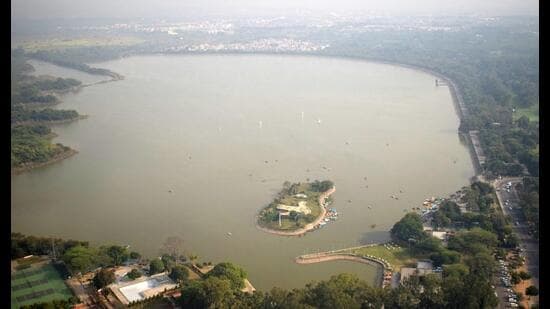
Sukhna wetland in Chandigarh has been officially nominated for designation as a wetland of international importance under the Ramsar Convention.
The proposal is one of four submitted by India to the Ramsar secretariat for international consideration. The other nominated sites are Glaw lake in Arunachal Pradesh, the Gosabara-Mokarsagar wetland complex in Gujarat, and Sauj jheel in Uttar Pradesh. This initiative aligns with the Ministry of Environment, Forest and Climate Change's continuous efforts to identify and propose potential Ramsar sites across states and Union Territories.
India currently holds the distinction of having 100 Ramsar Sites, the highest number in Asia. Sukhna wetland, spread across 565 acres and formally declared a national wetland in 1988, qualifies for three strict Ramsar criteria. Its catchment area exceeds 10,000 acres, and it supports diverse flora and fauna, including migratory birds.
If approved, this designation will be Chandigarh's first Ramsar site. Officials anticipate that the international tag will facilitate access to vital global funding, advanced scientific expertise, and specialized technical support for managing environmental challenges such as siltation and biodiversity loss. Furthermore, it is expected to bolster the protection of the lake's ecosystem, encourage eco-tourism, and raise environmental awareness.


