

Home / Environment / Humpback Whale's Baltic Sea Stranding: Rescue Hopes Fade
Humpback Whale's Baltic Sea Stranding: Rescue Hopes Fade
29 Mar
Summary
- A restricted area was enforced around the whale to allow it rest and recovery.
- The whale shows significantly less activity and a dropped respiratory rate.
- Experts doubt the whale's survival chances in the Baltic Sea due to low salinity.
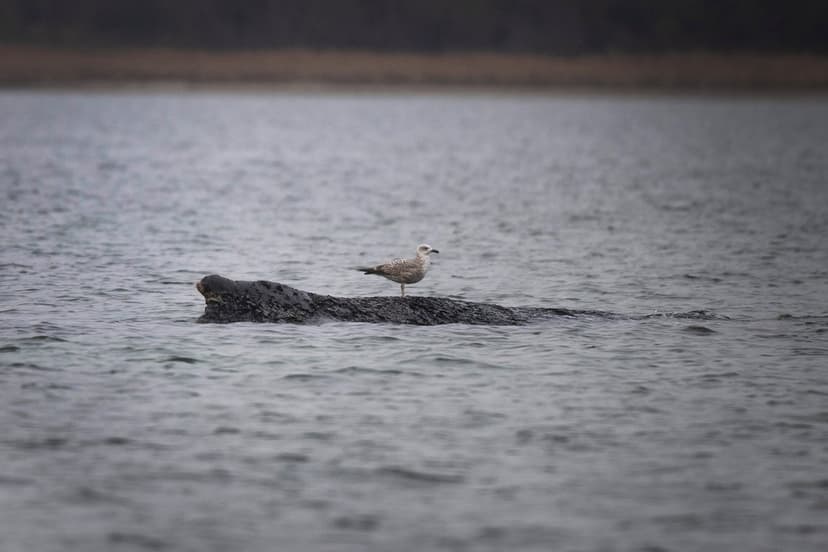
A 500-meter restricted area has been enforced around a humpback whale stranded in the Baltic Sea near Wismar, Germany. Officials implemented this measure to allow the whale, estimated to be 12-15 meters long, to rest and hopefully regain strength to swim free.
Environment Minister Till Backhaus noted the whale appears weakened and possibly injured, potentially from contact with a fishing net. Previous rescue efforts involving excavators and boats failed to dislodge the cetacean from a sandbank off Timmendorfer Strand beach earlier in the week.
Experts are increasingly pessimistic about the whale's chances of survival. Stefanie Groß from the Institute for Terrestrial and Aquatic Wildlife Research observed significantly reduced activity and respiratory rate. The marine mammal cannot survive long-term in the Baltic due to its low salt concentration and unsuitable nutrition, requiring a return to the Atlantic.
Burkard Baschek of the German Maritime Museum highlighted the challenges of navigating the narrow straits to reach the North Sea, estimating the whale's chances of success as slim. The whale was first spotted in the Baltic on March 3, with reports of it being stranded surfacing last week.
