Home / Environment / Eucalyptus: Sri Lanka's Eco-Challenge
Eucalyptus: Sri Lanka's Eco-Challenge
6 Jul
Summary
- Eucalyptus plantations introduced in the 1930s for land restoration.
- Concerns arise over declining stream flows and reduced biodiversity.
- Modern ecology reevaluates widespread monoculture planting.
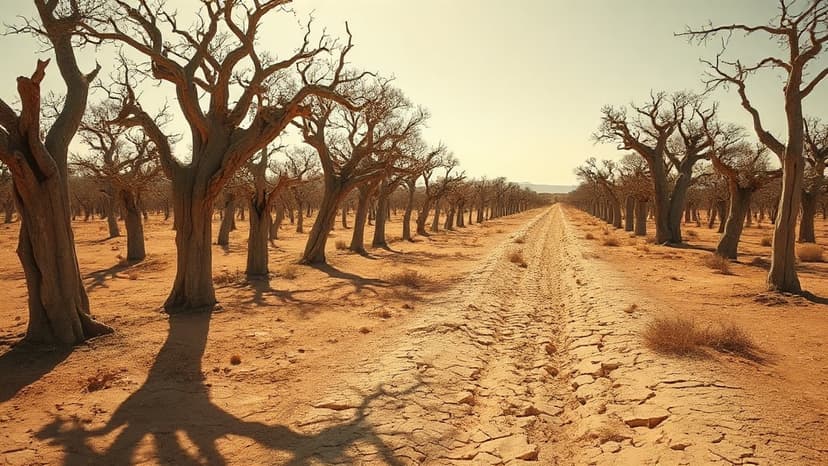
In the 1930s, Sri Lanka introduced eucalyptus from Australia to address severe land degradation following decades of deforestation. These trees proved highly productive on poor soils, aiding in timber and fuelwood supply and reducing pressure on native forests. However, modern ecological assessments reveal significant drawbacks.
Extensive monoculture eucalyptus plantations are now associated with reduced water availability, leading to declining stream flows and drier soil conditions. Studies indicate their high transpiration rates and deep root systems extract substantial water, particularly impacting mountainous watersheds crucial for agriculture and drinking water.
Furthermore, these plantations often exhibit lower biodiversity than native forests. The dense canopy and rapid nutrient uptake by eucalyptus can hinder the regeneration of native understory vegetation. While not ecological deserts, they do not fully replicate the complex ecosystem functions of natural forests.
Contemporary forest management suggests limiting large-scale monocultures in sensitive areas. Recommendations include retaining natural vegetation buffers and adopting mixed-species plantations. Integrating native species alongside commercial trees is now favored to enhance ecosystem resilience and water availability.


