Home / Environment / Tennessee Battles Invasive Insect Invasion
Tennessee Battles Invasive Insect Invasion
8 Jul
Summary
- Spotted lanternflies, native to Asia, are a growing concern in Tennessee.
- These sap-sucking insects weaken plants and produce harmful honeydew.
- Preventative measures and reporting sightings are crucial for control.
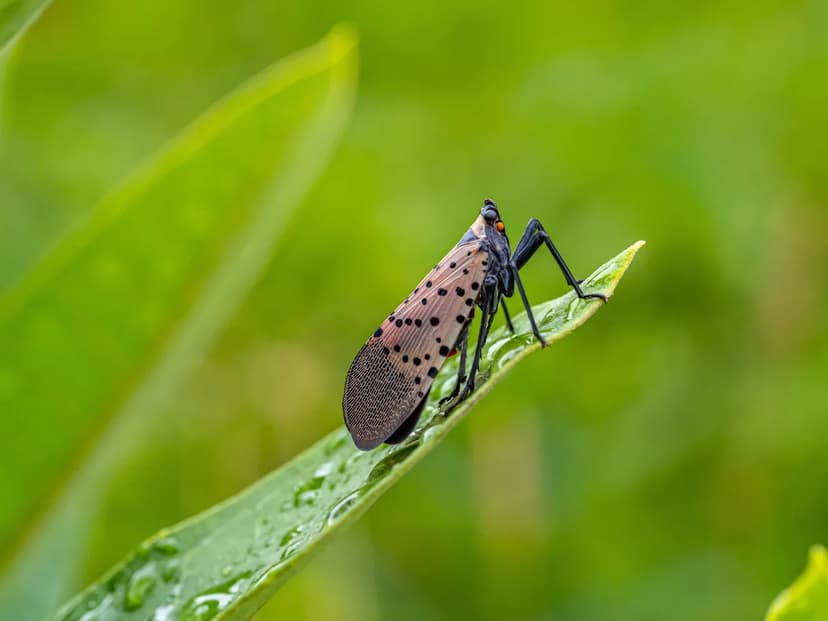
As of July 2026, Tennessee is experiencing its fourth year of spotted lanternfly presence, with a mass sighting reported in the Bristol area in early July 2026. This invasive insect, originally from East Asia, has been detected in 20 states, including Tennessee since December 2025. Spotted lanternflies are plant hoppers that feed on plant sap, potentially stressing vegetation and making it more susceptible to diseases. Their feeding also produces honeydew, which can lead to mold growth on surfaces beneath infested plants.
The spread of this species is largely attributed to human movement of infested materials, such as firewood and lumber, which may carry egg masses. Early-instar nymphs are black with white spots, while later instars are red. Adult lanternflies, typically seen from July to November, are about one inch long with distinctive spotted wings. They primarily favor the Tree of Heaven but also infest grapevines, fruit trees, and various ornamental and timber species like maple and walnut.
To combat the spread, experts recommend diligent inspection of outdoor items for egg masses. If a spotted lanternfly or its egg mass is found, the Tennessee Department of Agriculture advises taking photos, completing an identification form, and destroying the insect or eggs. Checking vehicles and campers for any signs of infestation is also crucial.


