Home / Environment / Spokane's Heat Problem: A Post-War Planning Failure?
Spokane's Heat Problem: A Post-War Planning Failure?
12 Jul
Summary
- Post-WWII urban planning prioritized cars, creating heat-trapping concrete.
- A 2021 heat wave caused 19 deaths in Spokane County alone.
- Grant funding for resilience was rescinded, impacting community efforts.
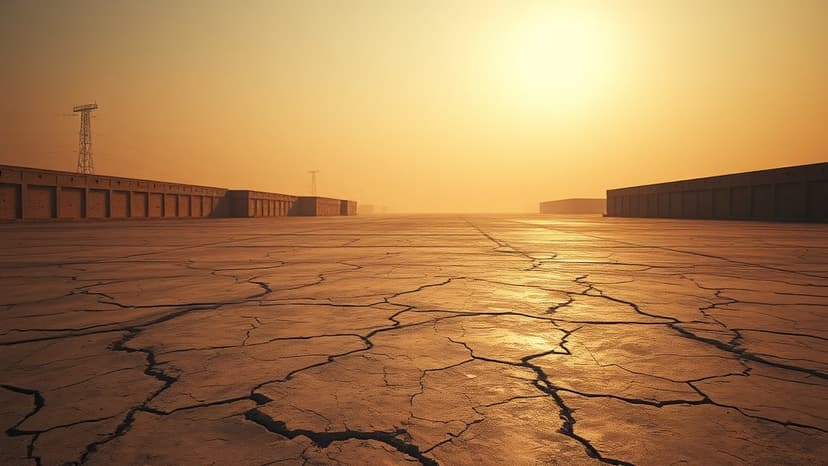
Urban planning in Spokane following World War II prioritized infrastructure for automobiles, leading to vast expanses of concrete. This oversight, overlooked at the time, has contributed to the urban heat island effect, making metropolitan areas warmer than surrounding green spaces.
In June 2021, a severe heat wave saw temperatures reach 109 degrees Fahrenheit in Spokane. This event, the deadliest weather-related disaster in Washington state history, resulted in 19 deaths in Spokane County and hundreds of hospitalizations. Investigations revealed that many victims were housed individuals, disproportionately affected by neighborhood differences in tree cover and green spaces.
Initiatives to address climate resilience in Spokane have faced funding challenges. A significant $19.9 million grant from the EPA, intended for resilience hubs and low-income housing upgrades, was rescinded in May 2025 by the Trump administration. Despite a federal judge ruling the termination unlawful, relief was not provided.
Efforts to mitigate urban heat islands are ongoing through programs like Spokane's tree equity initiative, aiming to increase tree canopy. The city is also pursuing decarbonization planning with state funding. Simultaneously, utility providers like Avista are investing in grid upgrades to handle increased demand during extreme weather events.
Experts suggest simple yet effective solutions like painting surfaces white to reflect heat and considering materials like cross-laminated timber for construction to enhance durability and carbon storage. Preparing for climate change requires systemic changes in infrastructure planning and a proactive approach to community resilience.


