Home / Environment / One Species Lost, Ecosystems Collapse
One Species Lost, Ecosystems Collapse
1 Mar
Summary
- Species loss accelerates, impacting food, medicine, and climate.
- Keystone species like wolves and elephants shape entire ecosystems.
- Illegal wildlife trade fuels extinction and undermines economies.
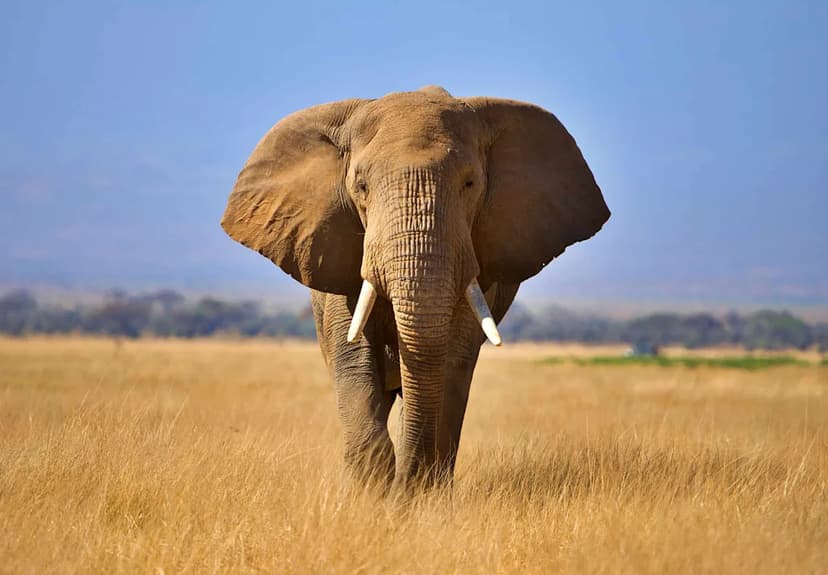
World Wildlife Day, observed annually on March 3, underscores the critical link between human survival and the health of the natural world. Established to commemorate the signing of CITES, the day draws attention to the accelerating rate of species loss, which impacts global food systems, medicine, climate stability, and economies. Biodiversity, the variety of life on Earth, is maintained by keystone species, whose disappearance can unravel entire ecosystems.
Examples like gray wolves in Yellowstone demonstrate how predators shape landscapes through trophic cascades. Beavers create essential wetlands, while elephants act as landscape managers in African ecosystems. In oceans, coral reefs serve as crucial structures supporting marine life and coastal protection. The loss of these species or structures triggers extinction cascades, leading to significant ecological and economic consequences.
Human activities, including land conversion, pollution, and overharvesting, drive these extinction rates, estimated to be 100 to 1,000 times higher than natural levels. The illegal wildlife trade, a multi-billion dollar industry, further threatens thousands of species and fuels corruption. Protecting biodiversity through sustainable sourcing, supporting conservation, and enacting strong environmental laws is crucial for ecosystem recovery and human well-being.