Home / Environment / Cancer Fears: Living Near South Portland's Toxic Tanks
Cancer Fears: Living Near South Portland's Toxic Tanks
12 Mar
Summary
- Residents worry about cancer due to nearby tank farm emissions.
- Benzene levels near Citgo terminal exceed state limits.
- Long-term benzene exposure poses serious health risks.
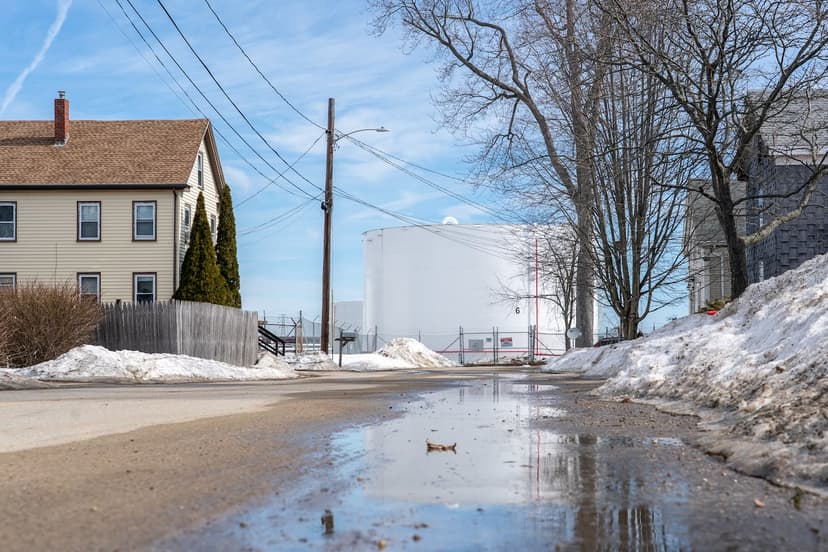
Residents near South Portland, Maine's tank farms are experiencing heightened health concerns, including worries about cancer, due to airborne pollutants. Ted Reiner, who lives close to the Citgo South Portland Terminal, is undergoing treatment for bladder cancer and questions if his environment contributes to his illness.
Data from Maine's Department of Environmental Protection reveals that the Citgo terminal exceeds the state's benzene emission limit, with average levels recorded at 2.18 micrograms per cubic meter, significantly above the 1.28 limit. While these are yearly averages, shorter periods showed much higher spikes, with one two-week sample near Citgo reaching 11.8 micrograms per cubic meter.
Long-term exposure to benzene is linked to severe health problems, including bone marrow damage, immune system suppression, and an increased risk of leukemia. The World Health Organization states there is no safe level of exposure. Short-term exposure to higher levels can cause headaches and breathing issues, particularly for sensitive individuals.
Anna O'Sullivan, another resident, worries about her son's exposure and hesitates to consume local produce. She feels "stuck" in her home, despite her desire to move away from the perceived poisonous air. Many residents have lived in these areas for years, questioning where responsibility lies for addressing the issue.
Recent legislation enacted in 2021 mandates fence line monitoring for all petroleum tank farms in Maine, with initial results released late last year. These findings are providing data that residents, like retired chemist Tom Mikulka, hope will finally prompt regulatory action and solutions from companies and officials.