Home / Environment / South Georgia's Century-Old Reindeer Problem Solved
South Georgia's Century-Old Reindeer Problem Solved
20 Aug
Summary
- Nearly 7,000 reindeer were removed from South Georgia over several years.
- Introduced reindeer damaged native plants and eroded fragile soil.
- Native habitats and wildlife are now recovering after the removal.
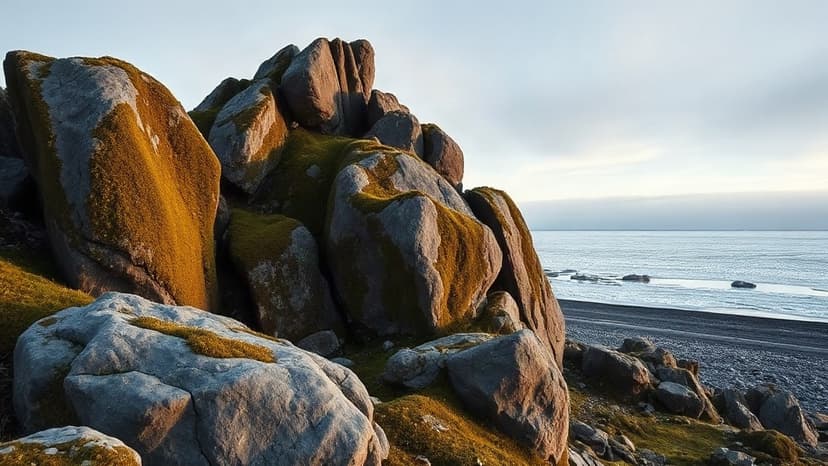
Introduced reindeer on South Georgia, initially a food source for whalers, became a significant environmental threat over a century. Norwegian whalers released ten reindeer in 1911, leading to a population explosion after whaling operations ceased in the mid-20th century. Without natural predators or management, thousands of reindeer consumed vital vegetation like tussac grass, leading to soil erosion and habitat destruction.
The Government of South Georgia & the South Sandwich Islands initiated a large-scale removal project to restore the island's ecosystem. This effort, conducted in two phases in 2013 and 2014, involved indigenous Sami herders and Norwegian marksmen. Approximately 7,000 reindeer were humanely culled, with meat being utilized.
Following the reindeer eradication, invasive brown rats were also removed. These combined efforts have enabled native plant communities, such as tussac grass and burnet, to recover. Ground-nesting seabirds are also returning to the restored burrowing areas, signaling a successful environmental recovery on the sub-Antarctic island.


