Home / Environment / South East Dries Out: Reservoirs Hit New Lows
South East Dries Out: Reservoirs Hit New Lows
25 Jul
Summary
- South East recorded only 41% of average rainfall last spring.
- Reservoir levels are higher than last year but dropping fast.
- Dry soils increase wildfire risk across the south east.
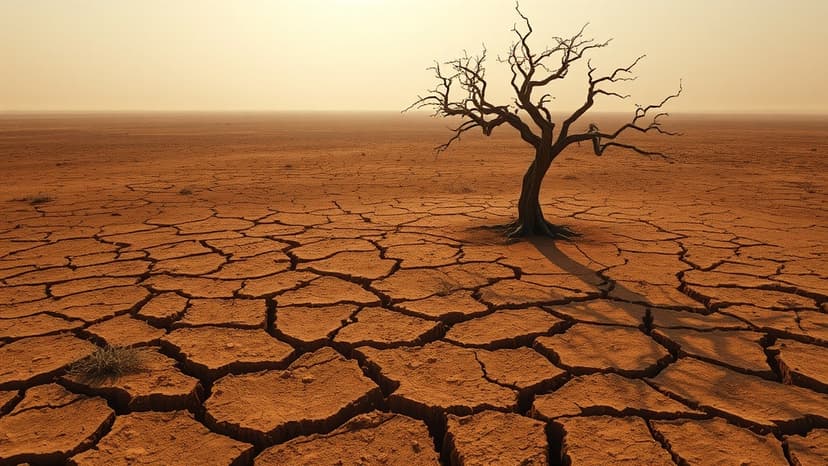
The south east of England is experiencing a significant water crisis, with hosepipe bans implemented across the region due to the impact of the third heatwave this year. Rainfall has been critically low, with only 41% of the long-term average recorded in spring across Kent, Sussex, and Surrey. July is on track to be the driest ever recorded in 190 years, pushing Sussex into a state of prolonged dry weather, the precursor to drought.
While reservoirs are currently higher than this time last year, with Ardingly and Arlington over 70% full and Bewl at 85%, South East Water predicts levels will continue to drop rapidly. The River Cuckmere is too low to abstract water, and falling river flows are critically low, threatening aquatic life. Groundwater reserves, bolstered by a wet winter, are also beginning to dip below normal ranges for this time of year, particularly concerning if dry conditions persist into autumn.
Farmers are struggling with severe soil dryness, leading to restrictions on river abstraction for irrigation and early reliance on limited water reserves for livestock. The dry conditions have also dramatically increased the risk of wildfires, with soils and vegetation having significantly reduced resistance to fire, allowing fires to start and spread quickly.


