Home / Environment / SA Coastline Devastated by Toxic Algal Bloom
SA Coastline Devastated by Toxic Algal Bloom
18 Feb
Summary
- Toxic algal blooms significantly impacting South Australia's coastline.
- Climate change is identified as a major factor enabling these blooms.
- The blooms cause ecological anxiety and loss of marine biodiversity.
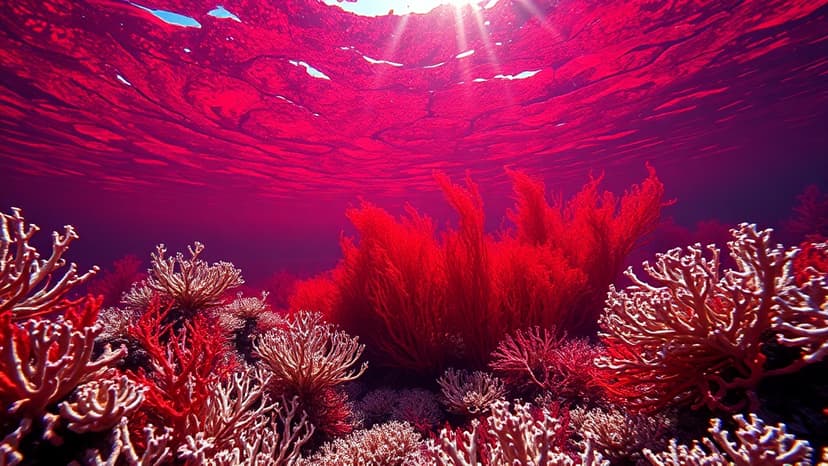
South Australia's extensive coastline is currently grappling with severe toxic algal blooms, with over 30% of the coast affected. These blooms, identified as Karenia, have led to significant ecological distress and the loss of marine life. Scientists are expressing concern over the adaptability of these organisms and the profound impact on biodiversity, noting that much of the affected marine life has washed ashore.
Climate change is unequivocally identified as a major contributing factor to the ideal conditions for these blooms, exacerbated by factors like nutrient runoff and marine heatwaves. Experts warn that without addressing climate change, such events are likely to recur with greater intensity, potentially within two generations. This situation is generating significant ecological anxiety among residents and scientists alike.
Efforts to understand and mitigate these blooms are underway, but challenges remain, including a lack of baseline data on marine species. Restoring marine habitats like seagrasses and oyster beds is suggested as a short-to-medium term solution. However, scientists stress that a global priority must be placed on tackling climate change to prevent future, more severe algal bloom events.