
Home / Environment / South Asia's Deadly Heatwave Escalates
South Asia's Deadly Heatwave Escalates
8 May
Summary
- Record-breaking heatwave impacts hundreds of millions across South Asia.
- Temperatures soar above seasonal averages, nearing 50 degrees Celsius.
- Climate change is increasingly linked to the intensity of these heat events.
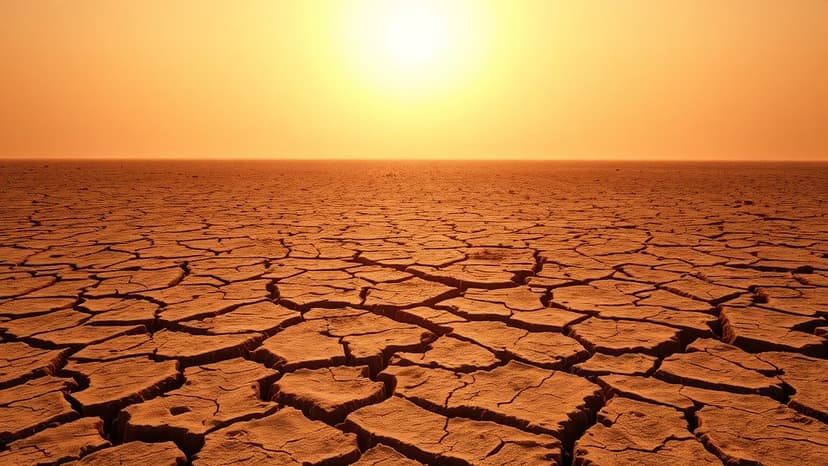
South Asia is currently facing a severe, record-breaking heatwave, with India, Pakistan, and Bangladesh experiencing dangerously high temperatures. Millions across the region are impacted as temperatures soar well above seasonal averages, with some areas reaching 45-50 degrees Celsius. This intensity, duration, and geographic spread are unprecedented, prompting experts to link these extreme weather events to human-driven climate change.
Scientists explain that high-pressure systems trap hot air, preventing cooling, exacerbated by weak pre-monsoon rains and lingering El Nino-like patterns. The World Meteorological Organization warns that El Nino conditions may form soon, potentially worsening the impacts of climate change.
India has seen temperatures exceeding 46C in some northwestern and central regions, with over 90 of the world's hottest cities reported there recently. Pakistan's Karachi recorded its highest temperature since 2018, with at least 10 heat-related deaths reported on one Tuesday. Bangladesh has experienced the most heatwave days in April in 75 years.
The physiological impacts of extreme heat are severe, leading to cardiovascular strain, kidney injury, and worsening chronic conditions, particularly for the elderly, pregnant women, children, and those with pre-existing health issues. Vulnerable populations, including low-income laborers who toil outdoors, bear a disproportionate burden.
Government responses, such as India's Heat Action Plans, offer some protection but often fail to reach informal workers. Experts call for broader structural reforms in housing, urban planning, and labor protections. In Pakistan, concerns are raised about transparency and accurate data collection to address the crisis and access international climate funds.
Climate models project that heatwave frequency and intensity will increase in South Asia in the coming decades. However, effective adaptation planning and early warning systems can help decouple rising temperatures from increasing suffering.
