Home / Environment / South Africa Tackles Black Market Lion Bones
South Africa Tackles Black Market Lion Bones
14 Dec
Summary
- Dozens of captive lion bones were symbolically burned to combat illegal trade.
- The trade involves smuggling lion remains to Asian markets for medicine.
- Concerns exist that a new minister may weaken export bans on lion parts.
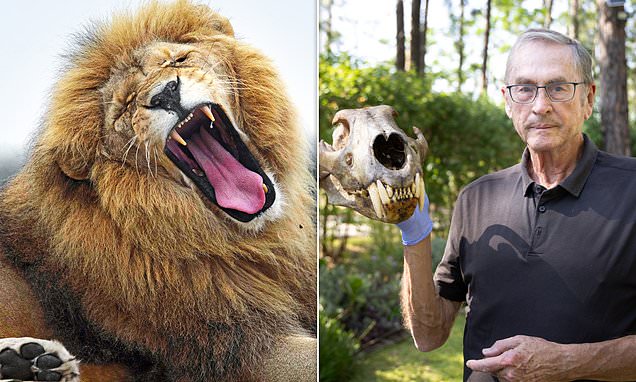
In a symbolic act against the illegal wildlife trade, dozens of captive lion bones were incinerated on the outskirts of Johannesburg. This event aimed to underscore South Africa's commitment to dismantling the lucrative black market for lion remains, frequently smuggled to Asian markets for traditional medicine. The practice of breeding lions for captive hunting and subsequent bone trade has been a significant concern.
The lifecycle of these captive lions is bleak, beginning on farms and often ending in "canned" hunts for tourist hunters. Their bones and other parts are then trafficked, sometimes misrepresented as tiger bones, fetching substantial sums on the black market. This clandestine industry, which boomed in the 1990s, has drawn international criticism and the attention of welfare groups.
However, recent political appointments in South Africa have cast a shadow over conservation efforts. Concerns are mounting that the new environment minister's links to the hunting lobby could jeopardize the export ban on lion parts, potentially undermining years of work to end this exploitative trade.