Home / Environment / Gulls Feast as Owls Struggle in Floodwaters
Gulls Feast as Owls Struggle in Floodwaters
19 Feb
Summary
- Flooded fields provide abundant food for gulls but starve barn owls.
- Barn owls cannot hunt in heavy rain due to non-waterproof feathers.
- Extreme weather events threaten the long-term survival of birdlife.
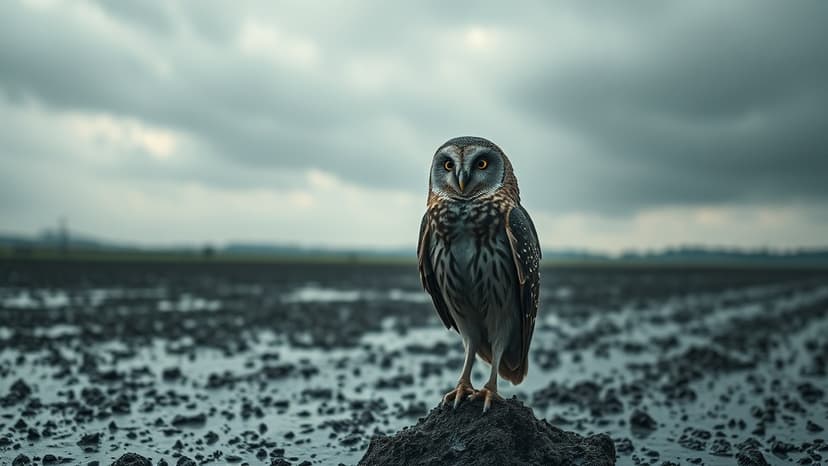
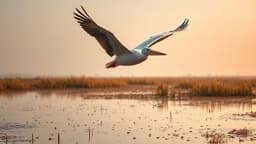
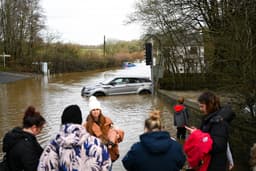
The Somerset Levels are currently submerged following exceptionally heavy winter rainfall, leading to overflowing fields and moors. This dramatic increase in water levels has created distinct winners and losers among the local bird populations. Large gatherings of gulls, encompassing common, herring, black-headed, Mediterranean, and little gulls, are taking advantage of the abundant feeding opportunities in the flooded areas. These gull congregations have even attracted a white-tailed eagle, recently introduced to the Isle of Wight, though it has not yet been observed hunting.
In contrast, barn owls are facing significant hardship. Their usual hunting grounds of damp, grassy fields with ample voles are now too wet. The rodents have retreated, and the barn owls themselves are unable to hunt effectively in the rain. Their non-waterproof feathers impede their ability to stay warm and dry, severely limiting their foraging capabilities. Lapwings are also affected, being forced into shallower waters as high water levels on nature reserves prevent them from feeding. The long-term implications of increasingly frequent and severe weather events like this winter's rainfall pose a worrying forecast for the future of the region's birdlife.