Home / Environment / Solo Swan's Legacy: A Refuge's Hope Rekindled
Solo Swan's Legacy: A Refuge's Hope Rekindled
28 Aug
Summary
- A single swan named Solo waited 21 years for a successful brood.
- Trumpeter swans were hunted to near extinction by the early 20th century.
- Solo's descendants now form the entire Turnbull National Wildlife Refuge flock.
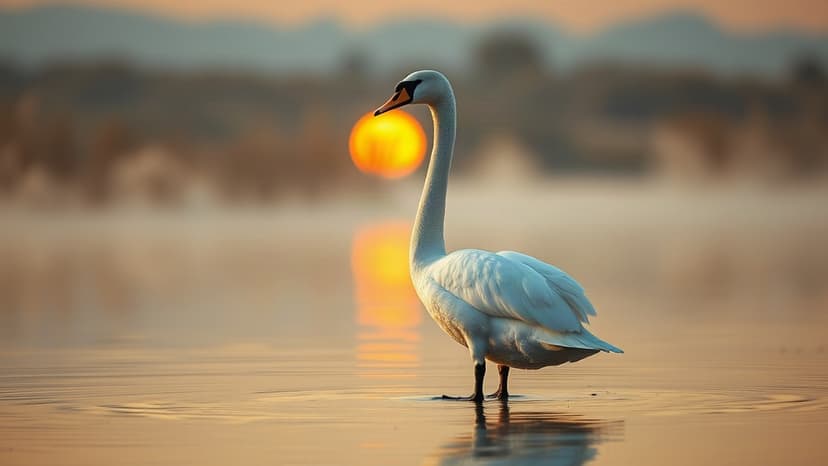
Trumpeter swans, once hunted to near extinction across North America, faced a precarious future. By the early 20th century, their populations had drastically dwindled, with only a small number surviving in remote areas. In the 1960s, conservationists embarked on an ambitious reintroduction program at Washington's Turnbull National Wildlife Refuge.
Despite introducing 37 cygnets between 1960 and 1964, the population struggled for decades. By the mid-1980s, only a few breeding pairs remained. In 1988, a devastating event saw coyotes kill a nesting female and destroy her eggs. Her mate, Solo, endured more than two decades without a successful brood.
Solo's resilience became paramount when, in 2009, he finally sired four cygnets with a new mate, marking the first successful brood at Turnbull in over two decades. This event reignited hope for the local flock, with Solo's lineage becoming the foundation of the current population.
Solo, a beloved figure among birdwatchers, continued to return to the refuge until his death in 2011 from lead poisoning, a common threat to waterfowl. His legacy endures, with every trumpeter swan at Turnbull today tracing its ancestry back to him.


