Home / Environment / Europe's Fences Go Green: Solar Power Surprise
Europe's Fences Go Green: Solar Power Surprise
21 Jun
Summary
- Solar fences combine boundaries with renewable energy generation.
- Panels generate 100-150 watts per linear meter vertically.
- Costs amortize within eight years, similar to rooftop panels.
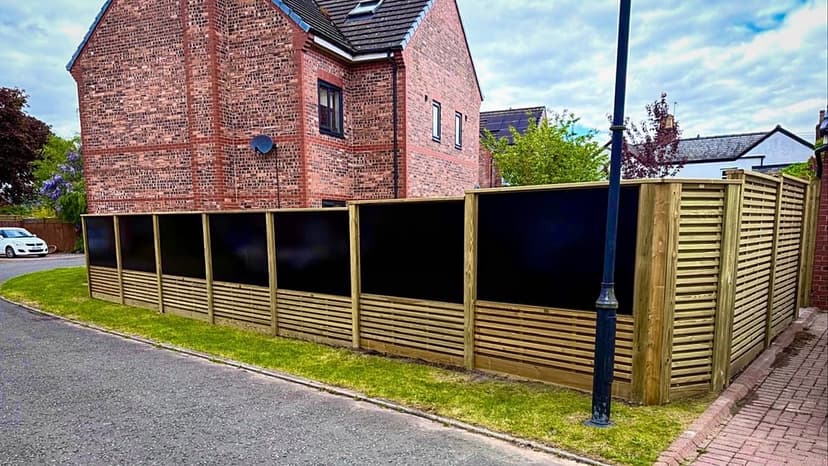
European households are increasingly embracing solar fences as a means to achieve energy independence. This trend emerged amidst rising energy costs and geopolitical concerns impacting fossil fuel supplies. The innovative fences integrate renewable energy generation directly into garden boundaries.
These solar fences offer several advantages, including efficient land use and simplified installation without the need for extensive scaffolding. They are particularly suited for homeowners with limited roof space or unsuitable roof conditions. The systems can also be scaled gradually, allowing for phased investment.
While vertical positioning means these panels capture less direct sunlight than rooftop arrays, they can generate between 100 and 150 watts per linear meter. This output is sufficient to power essential household items like refrigerators or televisions. Despite initial costs, amortization periods are comparable to traditional solar panels, often within eight years.
The application of solar fencing extends beyond residential properties. Companies are developing vertical photovoltaic systems for farms, commercial sites, airports, and business parks. These systems can significantly contribute to on-site energy demand for various infrastructure and commercial environments.


