Home / Environment / Sikkim Flood's Hidden Health Crisis Unfolds
Sikkim Flood's Hidden Health Crisis Unfolds
29 Aug
Summary
- Glacial lake outburst floods pose a significant health threat.
- Post-flood impacts include contaminated water and disease outbreaks.
- Chronic health conditions worsen due to disrupted medical supply chains.
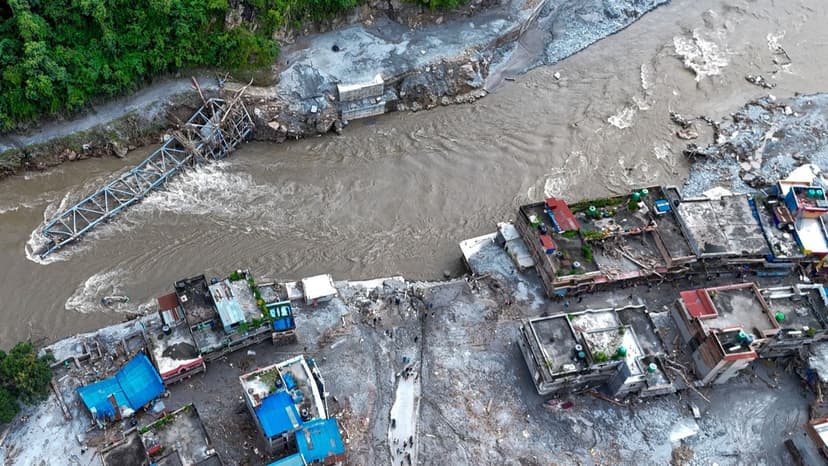
On October 3, 2023, South Lhonak Lake in north Sikkim burst, unleashing a devastating flood down the Teesta River. While immediate casualties were reported, the prolonged health crisis that followed has received less attention. The flood destroyed infrastructure, leading to contaminated water sources and potential outbreaks of diseases like diarrhoea and hepatitis.
Furthermore, the event severely disrupted the supply chain for essential medicines, particularly for individuals with chronic conditions like diabetes and hypertension. This invisible disruption, stretching for months, represents a significant public health challenge. The article emphasizes that preparedness for glacial lake outburst floods must incorporate a health-centric approach, mapping health impacts downstream and treating early warnings as clinical interventions.
Effective response requires treating glacial lake outburst floods as a climate-health syndemic, not just a hydrological event. Preparedness must include mapping health infrastructure at risk, ensuring hospitals are climate-proof, and extending surveillance beyond immediate rescue efforts. Rebuilding health security is as crucial as rebuilding physical infrastructure after such disasters.


