feedzop-word-mark-logo
searchLogin
Feedzop
homeFor YouIndiaIndia
You
bookmarksYour BookmarkshashtagYour Topics
Trending
trending

Gold prices rise today

trending

Poll official BLO dies by suicide

trending

Ukraine intercepts Russian jet drones

trending

SSC JE admit card soon

trending

IBPS PO Mains Result awaited

trending

Nagaland lottery December 1 results

trending

WBSSC removes tainted candidates

trending

UPPSC PCS Prelims Result declared

trending

Istanbul flights save hundreds

Terms of UsePrivacy PolicyAboutJobsPartner With Us

© 2025 Advergame Technologies Pvt. Ltd. ("ATPL"). Gamezop ® & Quizzop ® are registered trademarks of ATPL.

Gamezop is a plug-and-play gaming platform that any app or website can integrate to bring casual gaming for its users. Gamezop also operates Quizzop, a quizzing platform, that digital products can add as a trivia section.

Over 5,000 products from more than 70 countries have integrated Gamezop and Quizzop. These include Amazon, Samsung Internet, Snap, Tata Play, AccuWeather, Paytm, Gulf News, and Branch.

Games and trivia increase user engagement significantly within all kinds of apps and websites, besides opening a new stream of advertising revenue. Gamezop and Quizzop take 30 minutes to integrate and can be used for free: both by the products integrating them and end users

Increase ad revenue and engagement on your app / website with games, quizzes, astrology, and cricket content. Visit: business.gamezop.com

Property Code: 5571

Home / Environment / Shrimp Sounds Lure Oysters to Clean Toxic Waters

Shrimp Sounds Lure Oysters to Clean Toxic Waters

1 Dec

•

Summary

  • Baby oysters are attracted to underwater shrimp sounds.
  • Donated oyster shells will help build new native reefs.
  • Restored reefs filter water and combat harmful algal blooms.
Shrimp Sounds Lure Oysters to Clean Toxic Waters

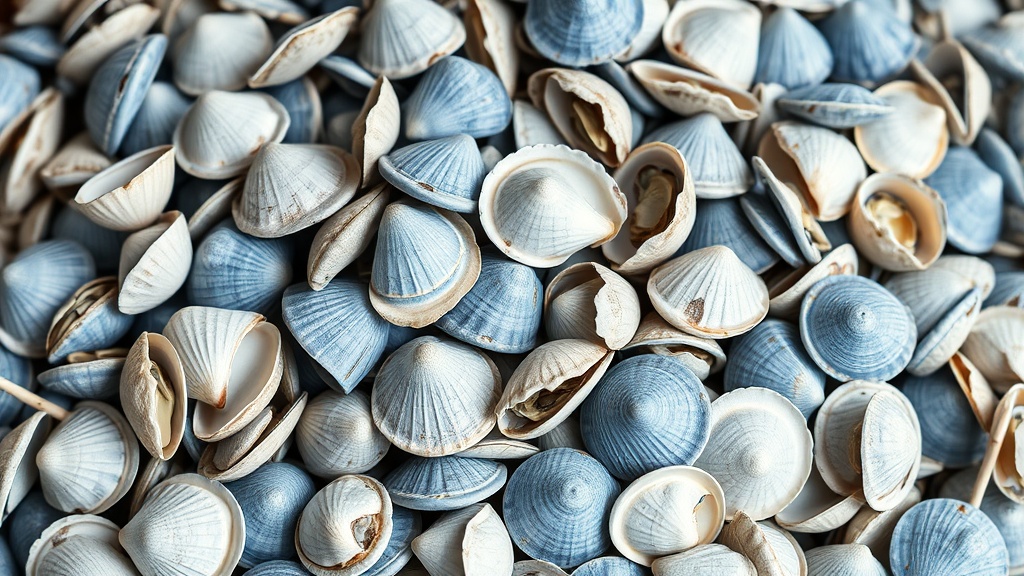
A pioneering program in South Australia is leveraging the sound of snapping shrimp to revitalize native oyster reefs and combat harmful algal blooms. Underwater speakers will broadcast shrimp sounds, enticing microscopic oyster spat to settle on donated oyster shells and limestone structures. These efforts aim to rebuild the oyster reefs, which were historically decimated by dredging, and are vital for filtering large volumes of ocean water.

The initiative also calls upon the public to contribute by donating their used oyster shells. These shells will serve as a biodegradable substrate for new oyster growth, fostering the development of natural reefs. This community-driven approach not only aids in environmental restoration but also offers a tangible way for residents to address ecoanxiety stemming from recent devastating algal blooms.

Restored oyster reefs are recognized for their significant environmental benefits, including improved water quality, enhanced seagrass habitats, increased biodiversity, and larger fish stocks. The South Australian government is supporting this by funding community and large-scale limestone reefs, part of a broader plan to help the community and industry recover from the ecological impact of recent blooms.


Disclaimer: This story has been auto-aggregated and auto-summarised by a computer program. This story has not been edited or created by the Feedzop team.
Underwater speakers playing shrimp sounds attract baby oysters (spat) to settle on new reef structures.
Yes, South Australians are encouraged to donate their oyster shells to help build vital native reefs.
Recent harmful algal blooms have been caused by species like Karenia cristata, impacting marine life.

Read more news on

Environmentside-arrowSouth Australiaside-arrow

You may also like

Ancient Crabs Face Coastal Extinction

18 hours ago • 9 reads

article image

Darwin Gas Plant: Toxic Releases Underestimated 13,000%

29 Nov • 13 reads

article image

Sustainable Seafood Choices for Festive Feasts

21 Nov • 46 reads

article image

Hidden Beach Dwellers: The Mighty Beach Worm

20 Nov • 22 reads

article image

Kayaking Ningaloo Reef's Coastal Lagoon: A Rare Aquatic Adventure

23 Oct • 104 reads

article image