

Home / Environment / Sharks Test Positive for Cocaine in Bahamas
Sharks Test Positive for Cocaine in Bahamas
5 Apr
Summary
- Cocaine, caffeine, and other drugs found in 23 of 82 analyzed sharks.
- Five shark species, including Tiger and Nurse, were studied.
- Drug presence altered sharks' urea, lactate, and triglyceride levels.
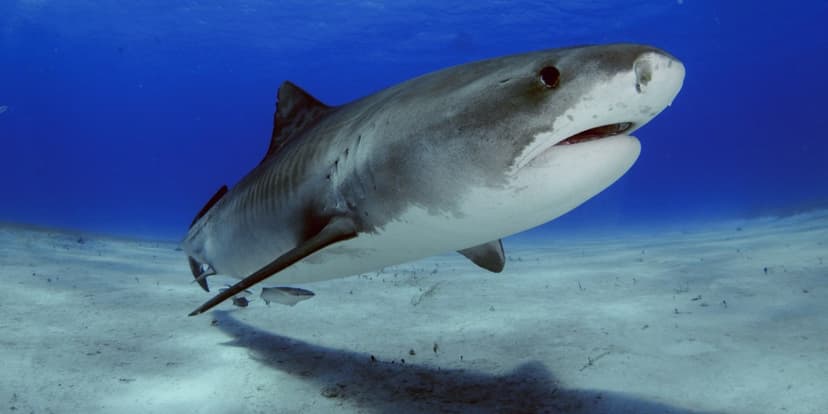
In a surprising development, sharks swimming in The Bahamas have been found to have tested positive for a range of substances, including cocaine and caffeine. This finding comes from a recent study published on ScienceDirect, which highlights the presence of contaminants of emerging concern (CECs) in marine environments, particularly in areas with significant tourism.
The research involved analyzing 82 sharks across five species: Lemon, Atlantic Nurse, Blacktip, Caribbean Reef, and Tiger sharks. The analysis detected four specific CECs—acetaminophen, diclofenac, cocaine, and caffeine—in 23 of the sharks.
This isn't the first instance of cocaine being found in sharks; similar discoveries were made off the coast of Brazil in 2024. However, this study is groundbreaking as it represents the first report of caffeine and acetaminophen in any shark species worldwide. It is also the first detection of diclofenac and cocaine in sharks from The Bahamas, an area often considered pristine.
Beyond simply detecting the substances, the study observed that sharks carrying these CECs showed notable differences in their physiological markers. Specifically, they exhibited altered levels of triglycerides, urea, and lactate when compared to sharks that did not test positive for the contaminants.
